

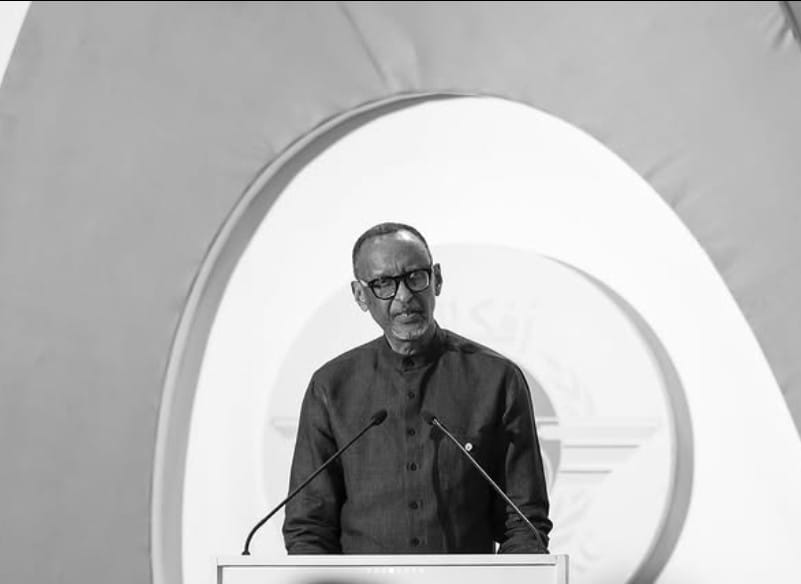
LOMÉ, Togo — Rwandan President Paul Kagame has called on African governments to set clear timelines, cut high aviation costs and remove barriers that continue to make travel across the continent difficult and expensive.
Speaking at the opening of the African Air Transport Convention and Expo in Lomé, Kagame said Africa already knows what must be done to improve aviation connectivity. The challenge, he said, is implementation.
“We know what has to be done. We just have to do it,” Kagame told delegates.
His remarks added pressure to a growing continental debate over the slow pace of aviation liberalisation, despite years of commitments to African integration, trade and free movement.
Kagame said air connectivity is not only an aviation issue but a direct test of Africa’s ability to act collectively and produce concrete results.
“For decades, we have spoken about integration, trade and free movement,” he said. “We know what has to be done.”
The Rwandan leader said Africa is home to almost a fifth of the world’s population but still accounts for only a small fraction of global air traffic. He blamed the gap partly on the difficulty and cost of moving between African countries.
“In many cases, the fastest route between two African cities is through another continent,” Kagame said.
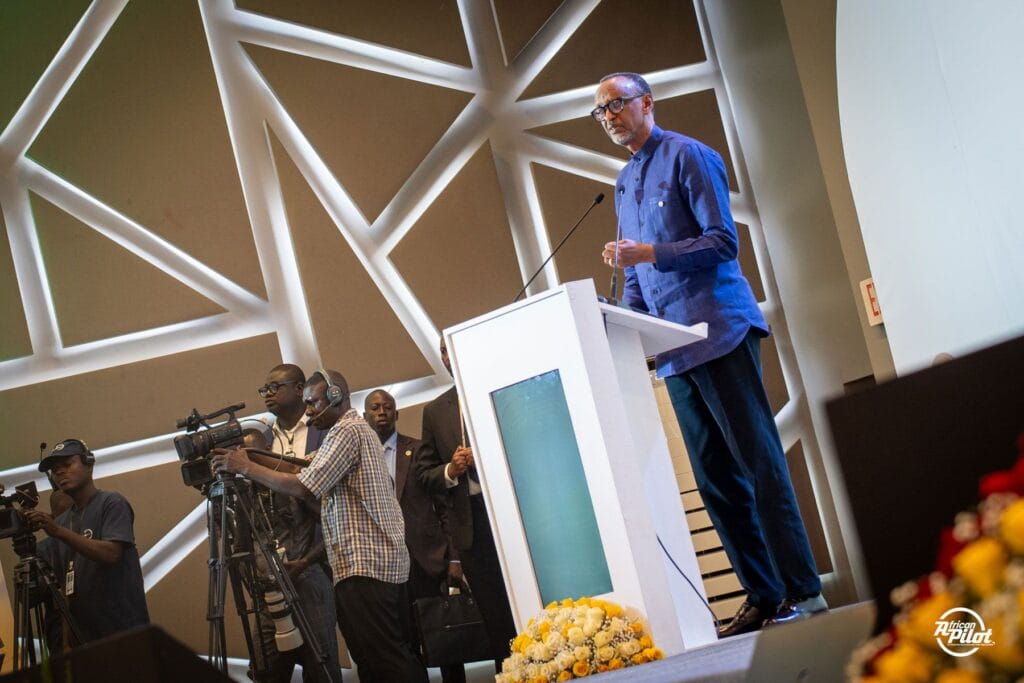
That reality, he warned, weakens trade, discourages investment and prevents African businesses from operating at scale.
At the centre of Kagame’s message was the Single African Air Transport Market, the African Union initiative designed to open African skies, reduce restrictions on airlines and create a more integrated air transport market.
Kagame said SAATM provides the right framework for change, but now needs clear timelines and measurable outcomes.
The convention, convened by the African Civil Aviation Commission and the African Union, has brought together policymakers, regulators, airlines, airport operators, investors, logistics firms, aviation training institutions and industry partners.
The event comes as African aviation stakeholders push for practical steps to reduce flight costs, strengthen cargo corridors, mobilise infrastructure investment and improve regulatory alignment across the continent.
Kagame said modern air connectivity also depends on investment in airports, maintenance capacity and reliable fuel supply chains. He urged development banks, sovereign wealth funds, institutional investors and private capital to see African aviation not as a risk, but as a strategic lever for growth.
“Investment in Africa should not be viewed as a risk but as a strategic lever that drives economic growth,” he said.
But Kagame also warned that financing alone will not solve the sector’s problems.
He said African governments must urgently address the policy obstacles that undermine progress, including high taxes and fees on air travel.
“Taxes and fees on air travel in Africa are among the highest in the world,” Kagame said. “Reducing these costs is vital.”
He also called for stronger regulatory alignment, saying a single market works best when rules and standards are predictable and consistent across jurisdictions.
That message directly speaks to one of the biggest obstacles facing African aviation: fragmented rules, uneven implementation and restrictive market access arrangements that make it difficult for airlines to expand across borders.
Kagame also pointed to Rwanda’s own experience with visa openness, saying the country removed visa barriers because it wanted people to visit, connect and discover opportunities.
He said the decision produced stronger business activity, increased tourism and expanded air links.
“The experience shows us that openness and cooperation are powerful drivers of development,” Kagame said.
His remarks placed aviation at the centre of Africa’s wider economic future. With the continent’s young population expected to drive trade, innovation and mobility, Kagame said African leaders have a responsibility to create the conditions that allow the next generation to move and succeed.
“No single region has unlocked its potential while remaining fragmented,” he said.
The Lomé convention is expected to focus on accelerating SAATM implementation, reducing the cost of air transport, improving passenger and cargo mobility, mobilising aviation investment and supporting more sustainable and competitive African air transport.
Kagame reiterated that Africa must move from repeated declarations to practical reforms that make travel cheaper, routes more direct and markets easier to reach.
Air connectivity, he said, opens immense opportunities and possibilities.
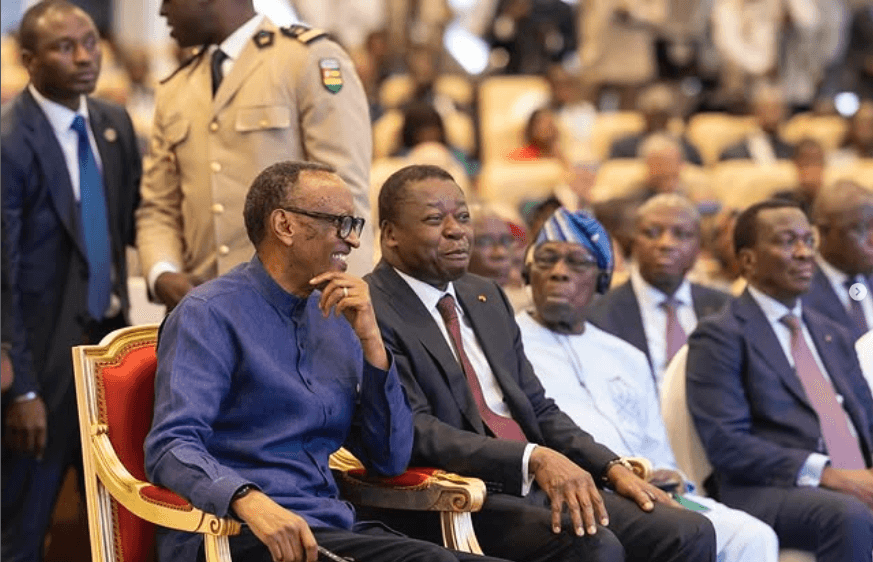
His remarks followed a similar warning from former Nigerian President Olusegun Obasanjo, who told delegates that Africa needs aviation decisions that cut costs, open routes and connect capitals — not another declaration left on a shelf.
The question now is whether African governments and aviation stakeholders can turn that shared understanding into measurable progress in the skies.
