

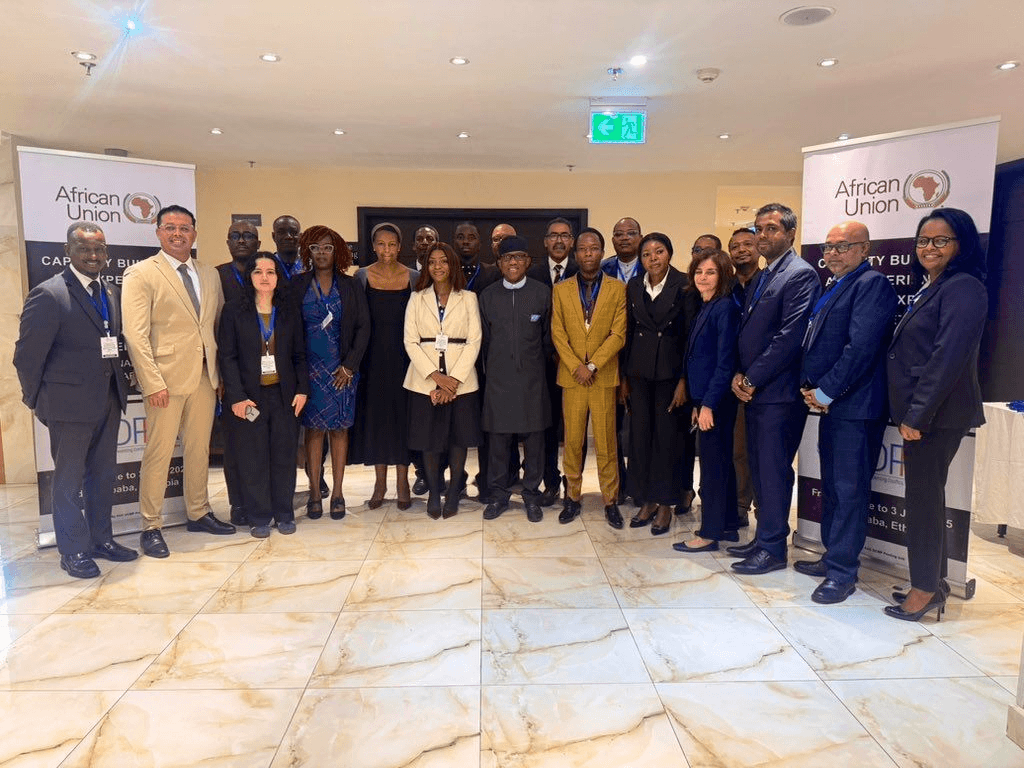
- Sudan’s crisis highlights the urgent need for African-led peacebuilding solutions that can respond faster to conflict, displacement, and instability.
- Artificial intelligence is emerging as a practical peacebuilding tool in Africa, supporting early warning systems, conflict analysis, crisis response, and peace agreement accountability.
- Youth innovation, digital inclusion, and African Union frameworks are central to building a more peaceful, secure, and digitally resilient Africa
On April 15, 2023, the outbreak of war in Sudan marked the beginning of one of the most devastating humanitarian crises on the continent in recent history. The war erupted on 15 April 2023, when clashes broke out between the Sudanese Armed Forces (SAF) and the Rapid Support Forces (RSF). The conflict displaced over eight million civilians and rapidly spread across Darfur and the Blue Nile regions. This crisis is rooted in decades of entrenched military governance, weakened democratic institutions, and persistent structural inequalities, further exacerbated by foreign external interference.
For the African Union (AU), such conflicts underscore the urgency of advancing sustainable, African-led solutions to peace and security, in line with Agenda 2063’s vision of “Silencing the Guns.”
A Digital Shift in Peacebuilding
Artificial Intelligence (AI) is no longer a future ambition; it is now a practical and strategic tool shaping Africa’s peace and security landscape. From real-time conflict monitoring to predictive analytics, AI is strengthening the continent’s capacity to detect, prevent, and respond to crises.
These innovations complement AU mechanisms such as the Continental Early Warning System (CEWS), enhancing both speed and accuracy in identifying risks and enabling timely interventions.
Artificial Intelligence as a Force Multiplier
AI is redefining the foundations of data, documentation, advocacy, and accountability in peacebuilding.
Its potential impact includes:
- Strengthening data systems through real-time analysis of conflict trends.
- Enhancing documentation with automated and verifiable data collection.
- Supporting evidence-based advocacy to inform policy and decision-making.
Through geolocation data, AI can map conflict hotspots with precision, while real-time data from digital platforms enables continuous monitoring of emerging threats.
At the same time, community-driven data collection systems are transforming how peacebuilding is approached, ensuring that interventions are grounded in lived experiences and local realities.
Importantly, AI can also support peace agreement tracking and accountability mechanisms by monitoring the implementation of commitments over time. This is particularly significant in contexts where many peace agreements remain partially implemented or unfulfilled due to weak or non-enforceable mechanisms. By analysing public data, reports, and field updates, AI can help identify gaps between commitments and implementation, strengthening transparency, follow-through, and institutional accountability in peace processes.
The Youth, Peace and Security Agenda is a key driver of continental digital peacebuilding actions.
The AU’s Youth, Peace and Security (YPS) Continental Framework positions young people as key partners, stakeholders, and agents of peacebuilding efforts. It recognises their energy, creativity, and determination as essential to achieving sustainable peace across the continent.
In the digital era, youth are increasingly emerging as digital peacebuilders, playing a central role in shaping innovative responses to conflict.
Across Africa, young people are:
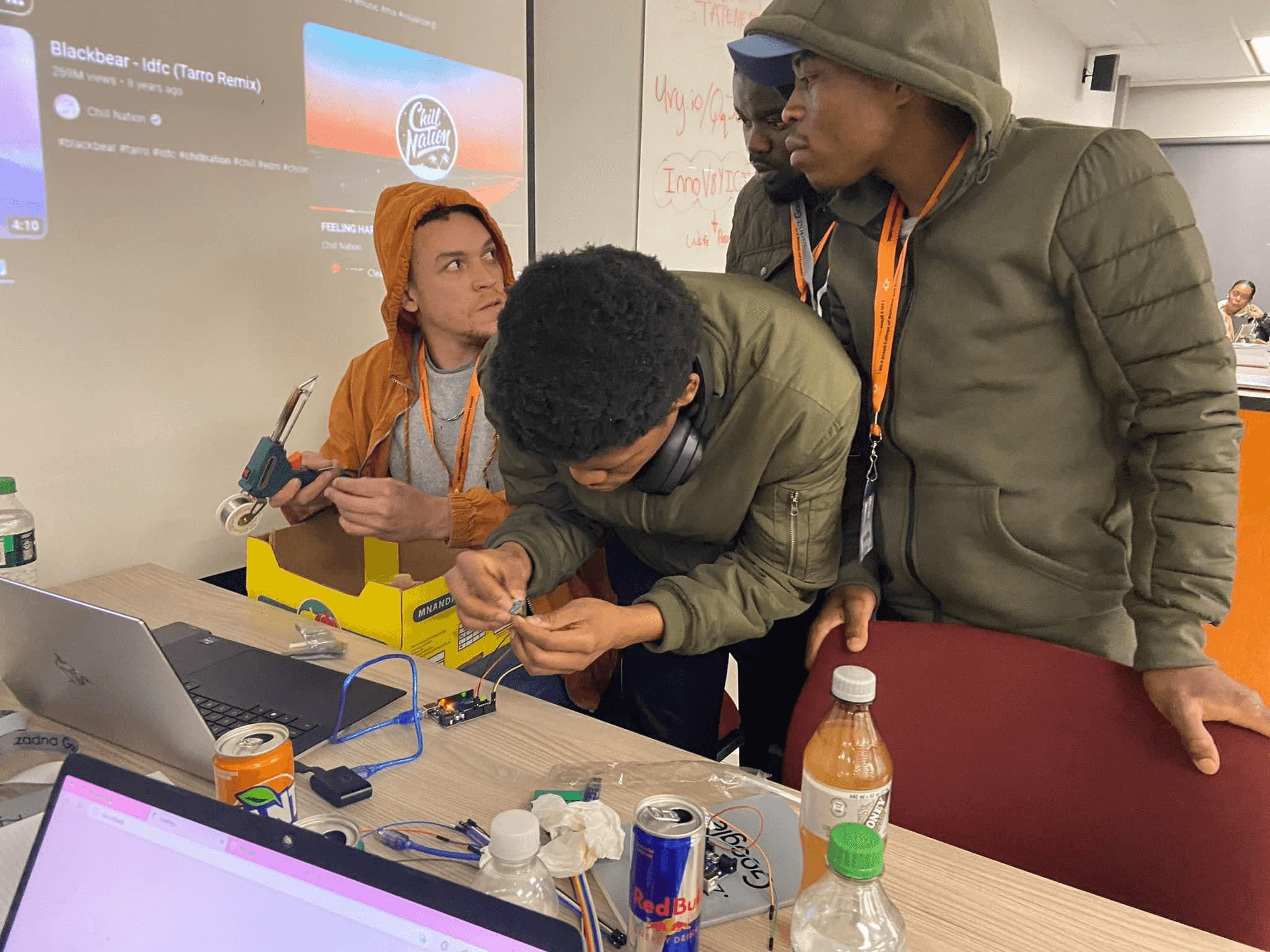
- Moving from conflict-affected communities to solution-driven innovators, designing and deploying early warning systems.
- Leveraging technology to strengthen community resilience and awareness.
This reflects a broader transformation where youth are not only included but are actively leading peacebuilding efforts through technology.
Why Digital Inclusion and Youth Participation Matter?
Digital inclusion and youth participation are not optional — they are foundational to effective and future-oriented peacebuilding. As the earliest adopters of digital technologies, young people are uniquely positioned to lead Africa’s digital peacebuilding mission.
Ensuring their inclusion requires more than access — it demands meaningful participation in decision-making, design, and implementation of peace processes.
When empowered, young people can:
- Harness real-time data to identify and respond to emerging conflicts,
- Innovate tools for early warning systems and crisis response
- Counter misinformation and shape positive digital narratives.
Without digital inclusion, the benefits of AI risk reinforcing existing inequalities. With it, youth become active architects of peace, driving solutions that are inclusive, responsive, and grounded in local realities.
Bridging Generations for Sustainable Peace
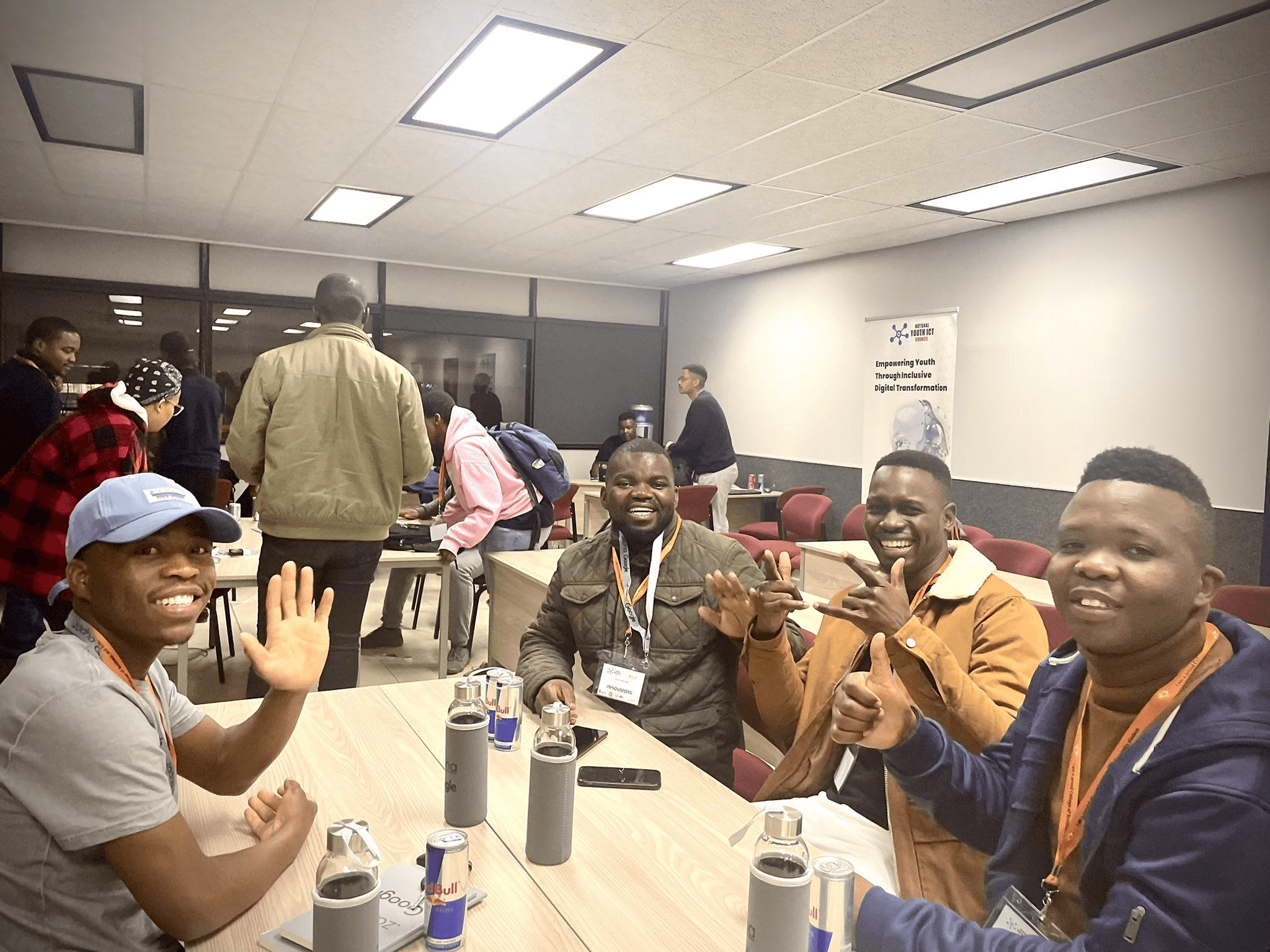
Artificial Intelligence also presents an opportunity to enhance intergenerational collaboration among African peacebuilders.
By connecting experienced policymakers, mediators, and institutions with youth innovators and digital practitioners, Africa can foster more inclusive, adaptive, and forward-looking peacebuilding systems.
This collaboration is particularly critical in peacebuilding and post-conflict recovery, where combining institutional knowledge with innovation can accelerate resilience and long-term stability.
The integration of AI into Africa’s peace and security ecosystem presents both opportunity and responsibility. Key challenges — including data governance, algorithmic bias, and unequal access to digital infrastructure — must be addressed to ensure ethical and inclusive implementation.
Supported by initiatives such as the African Union (AU)Advisory Group on Artificial Intelligence, Peace and Security and the work of the African Union Commission, the continent is taking important steps toward aligning innovation with peacebuilding priorities.
Africa advances toward Agenda 2063, the convergence of Artificial Intelligence, youth leadership under the Youth, Peace and Security (YPS) framework, and strong institutional commitment offers a powerful pathway toward a more peaceful, secure, and digitally resilient continent.
Artificial Intelligence, when applied responsibly and inclusively, strengthens Africa’s capacity for early warning, conflict prevention, accountability, and data-driven peacebuilding.
A journey toward a digitally enabled peaceful Africa requires youth at the forefront — not as beneficiaries, but as co-creators, innovators, and leaders of peacebuilding systems that reflect the realities of their communities.
The future of peace in Africa will not only be negotiated in institutions — it will also be coded, mapped, and shaped by its youth.
