

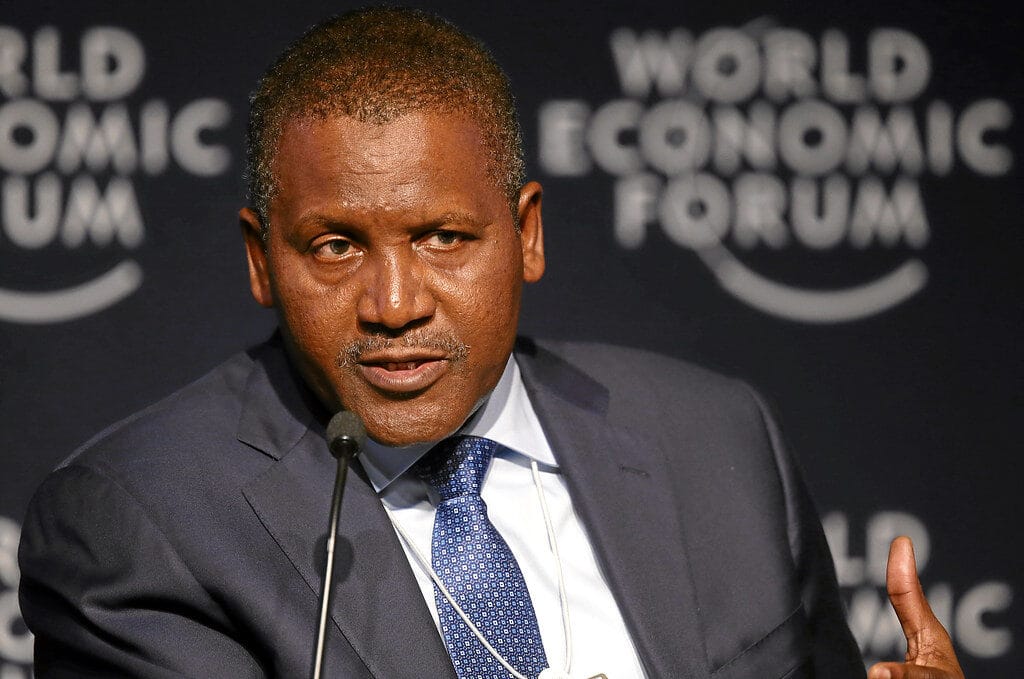
TIME has named seven Africans to the 2026 TIME100, its annual list of the world’s most influential people. Published on April 15, 2026, the list includes Nigerian industrialist Aliko Dangote, Senegalese education reformer Mamadou Amadou Ly, South Sudanese rights advocate Zabib Musa Loro, model Anok Yai, South African public health leader Precious Matsoso, Namibian President Netumbo Nandi-Ndaitwah, and Uganda-born New York City Mayor Zohran Mamdani.
This year’s African honorees reflect influence across industry, education, women’s rights, fashion, global health, national leadership, and diaspora politics. TIME concedes that there is no single metric for influence, and says its selections are shaped by the stories defining the year and the people driving them.
Aliko Dangote represents the most recognisable form of African influence on the list. TIME placed him among its Titans, a nod to the weight he carries not only as the founder of the Dangote Group but as a figure long associated with the push to build African manufacturing and energy capacity.
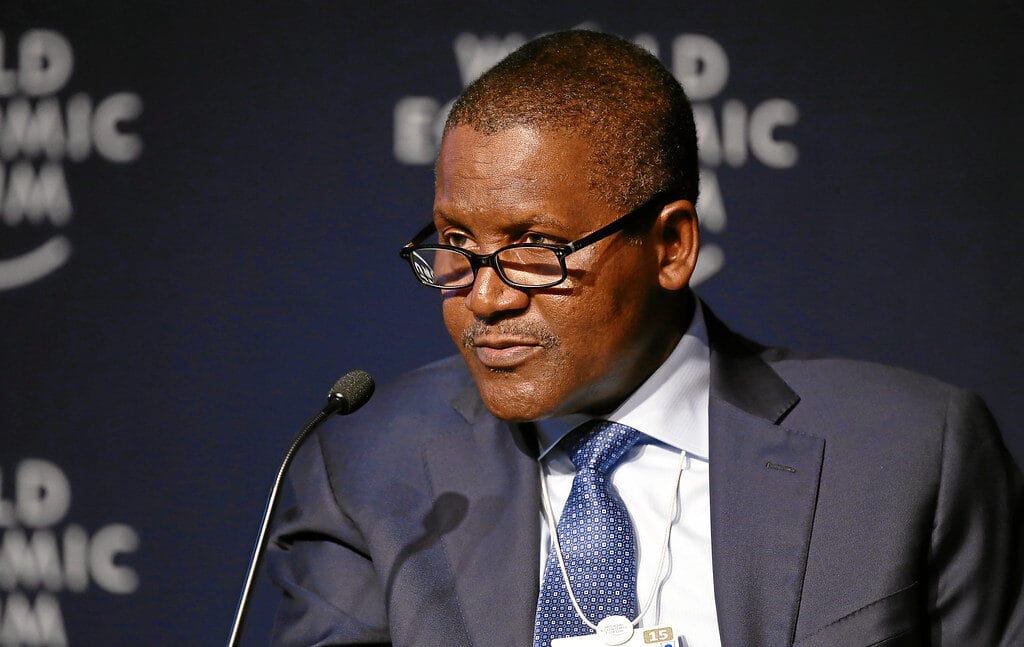
Dangote is the founder and president of the largest conglomerate in West Africa, with a footprint across multiple African countries. Recently, Dangote has made headlines as he touted targeting revenue of $100 billion and a market capitalisation of $200 billion for Dangote Group by 2030.
Mamadou Amadou Ly’s inclusion points to a quieter but deeply consequential form of influence. Ly was recognised for decades of work advancing bilingual education that integrates African languages into early schooling.
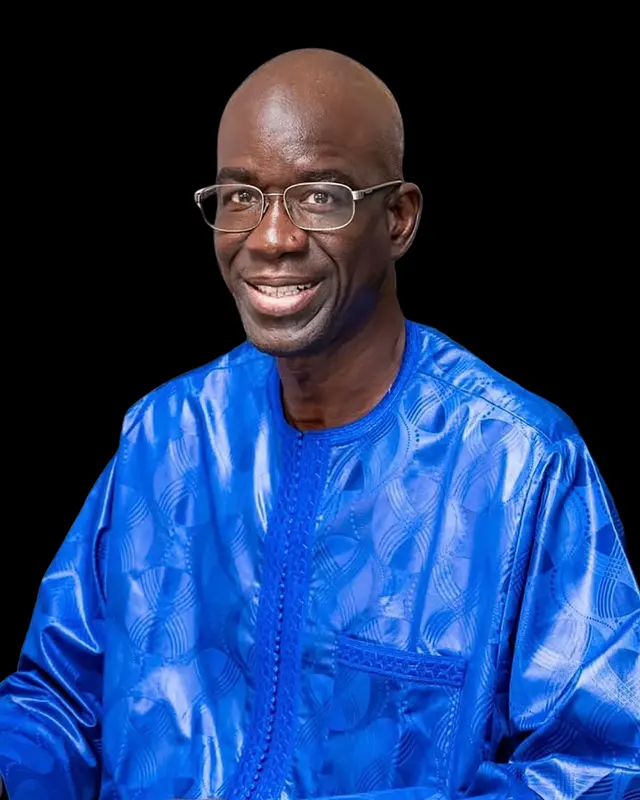
Under his leadership, Associates in Research and Education for Development has helped expand models that combine local languages with French, linking literacy and dignity in a part of the world where language can either open the classroom or shut a child out of it
Zabib Musa Loro’s profile brings rights-based advocacy into the centre of the conversation. TIME highlighted the South Sudanese activist for her work on women’s rights, peace, and security through Women for Justice and Equality.
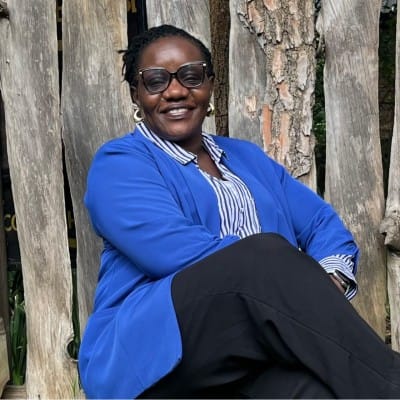
Her inclusion is a reminder that influence is not only exercised in boardrooms or presidential offices. It is also built in fragile spaces, in post-conflict work, and in the long struggle to defend the rights of women and communities often left exposed by power.
Anok Yai, recently recognised as the Fashion Awards’ Model of the Year and the second black model, after Naomi Campbell, to open a Prada show, represents cultural influence on a global scale. TIME placed her among the Titans, underscoring how fashion can become a site of visibility, aspiration, and change.
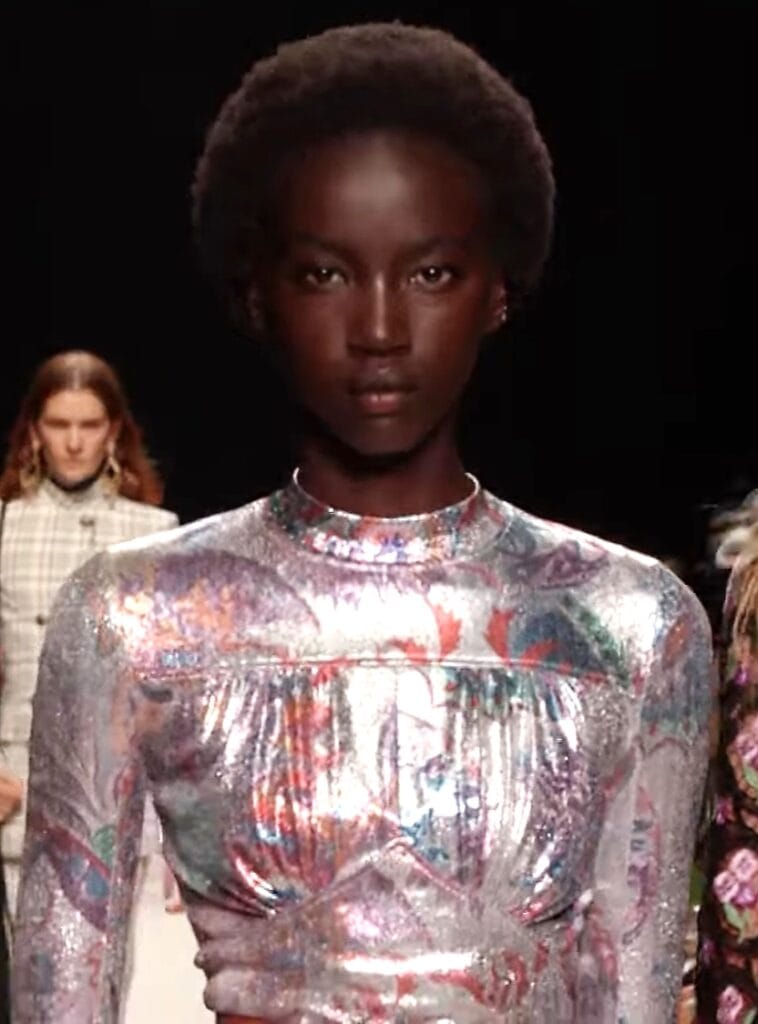
TIME framed her as part of the continuing reshaping of what power and presence look like in global fashion. Her place on the list signals that African influence is not confined to policy and economics. It is also shaping culture and beauty standards at the highest level.
Precious Matsoso’s recognition sits at the intersection of diplomacy and survival. TIME honoured her alongside Anne-Claire Amprou for co-chairing the negotiations that produced the world’s first global pandemic agreement.
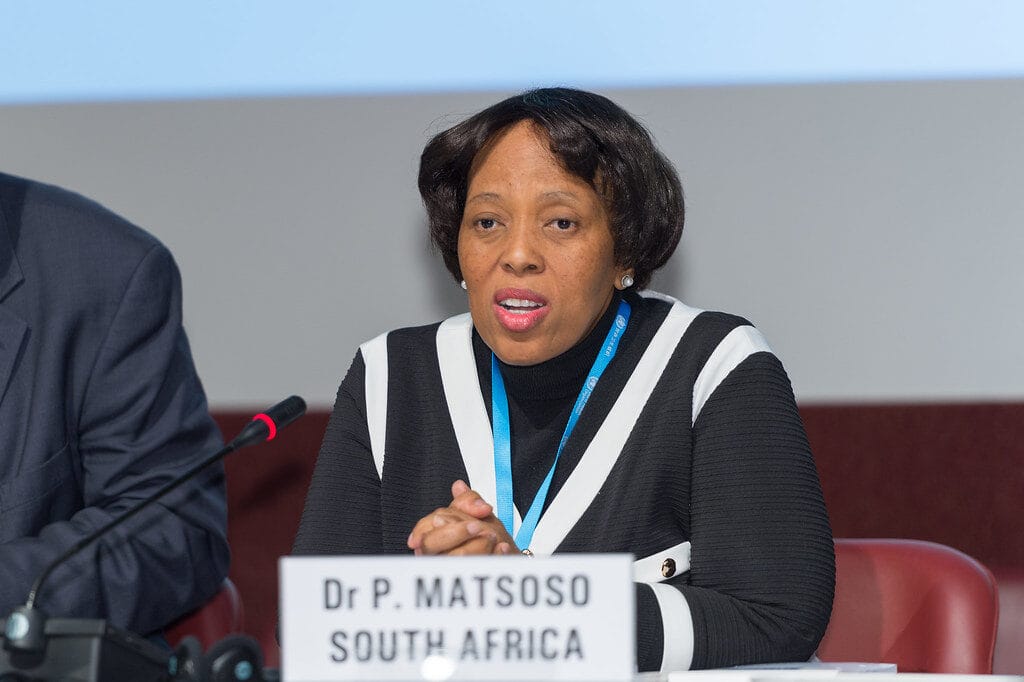
Precious and Anne-Claire succeeded in passing our world’s first-ever global pandemic agreement. Dr Precious Matsoso is an advocate for equitable access to medicines, and her presence shows that African expertise is going beyond participating in international governance. It is helping write the rules.
Netumbo Nandi-Ndaitwah brings state power and political history into the frame. TIME recognised the Namibian president as a liberation-era figure who carried that struggle into national leadership, and both TIME and Namibia’s presidency note that she is the country’s first woman president.
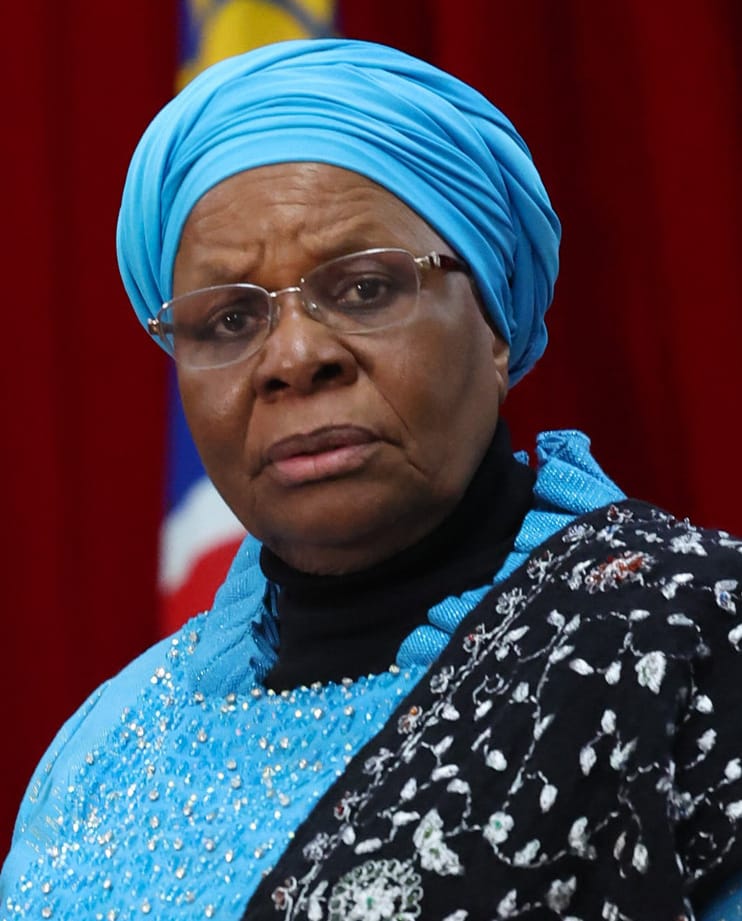
She is Namibia’s first female President and is recognised for breaking barriers for African women and women globally, leading an inclusive government where women hold the highest offices.
Zohran Mamdani broadens the story further. TIME placed him among its Leaders after a political rise that carried him to New York City Hall. Mamdani was born in Kampala, Uganda, before his later political career in the United States.
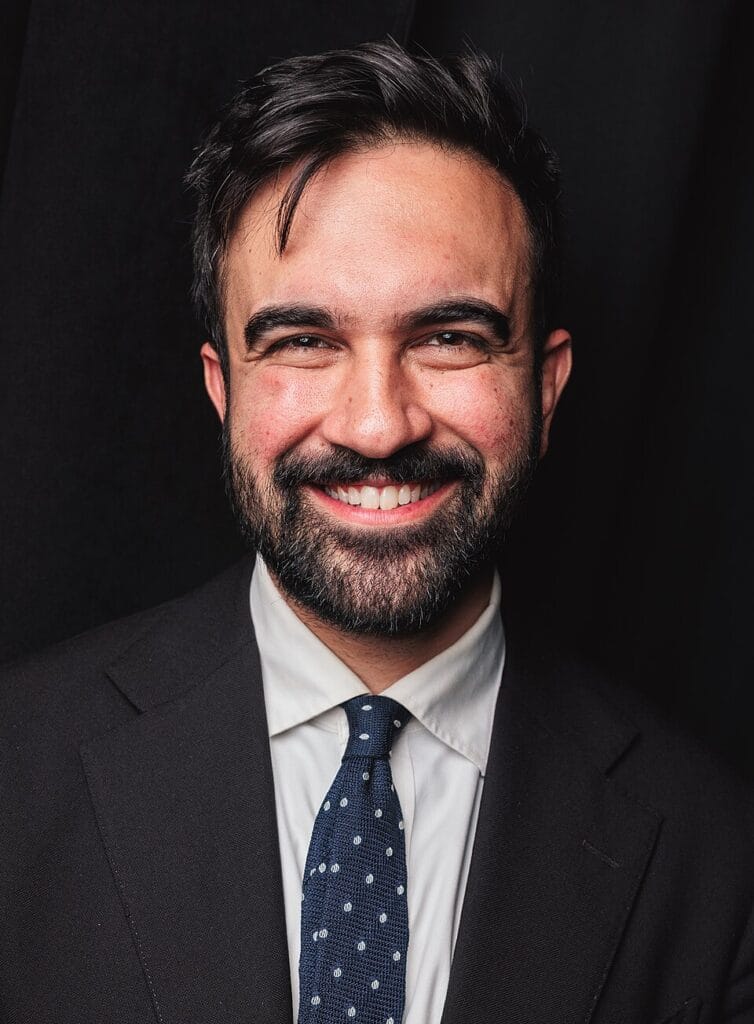
His presence on the list captures a diaspora dimension of African influence, one in which African-linked figures are shaping some of the world’s most visible cities and debates far beyond the continent itself.
Taken together, the seven names suggest something larger than representation for its own sake. They show that African influence in 2026 is not moving through one lane. It is appearing in factories, classrooms, negotiation rooms, presidential offices, runways, activist spaces, and city halls.
For this article, African refers to people who are citizens of African countries, were born in Africa, or have a clearly documented tie to a specific African country. It does not include people described only in very broad diasporic terms, such as African American, where no specific African country of birth, citizenship, or heritage was clearly documented.
