

A look at the Zimbabwean Premier Soccer League reveals a league carved up between new-money tycoons, mining conglomerates, state entities, a church-linked entrepreneur, and at least one man whose wealth traces back to the sugarcane field in Zimbabwe’s lowveld.
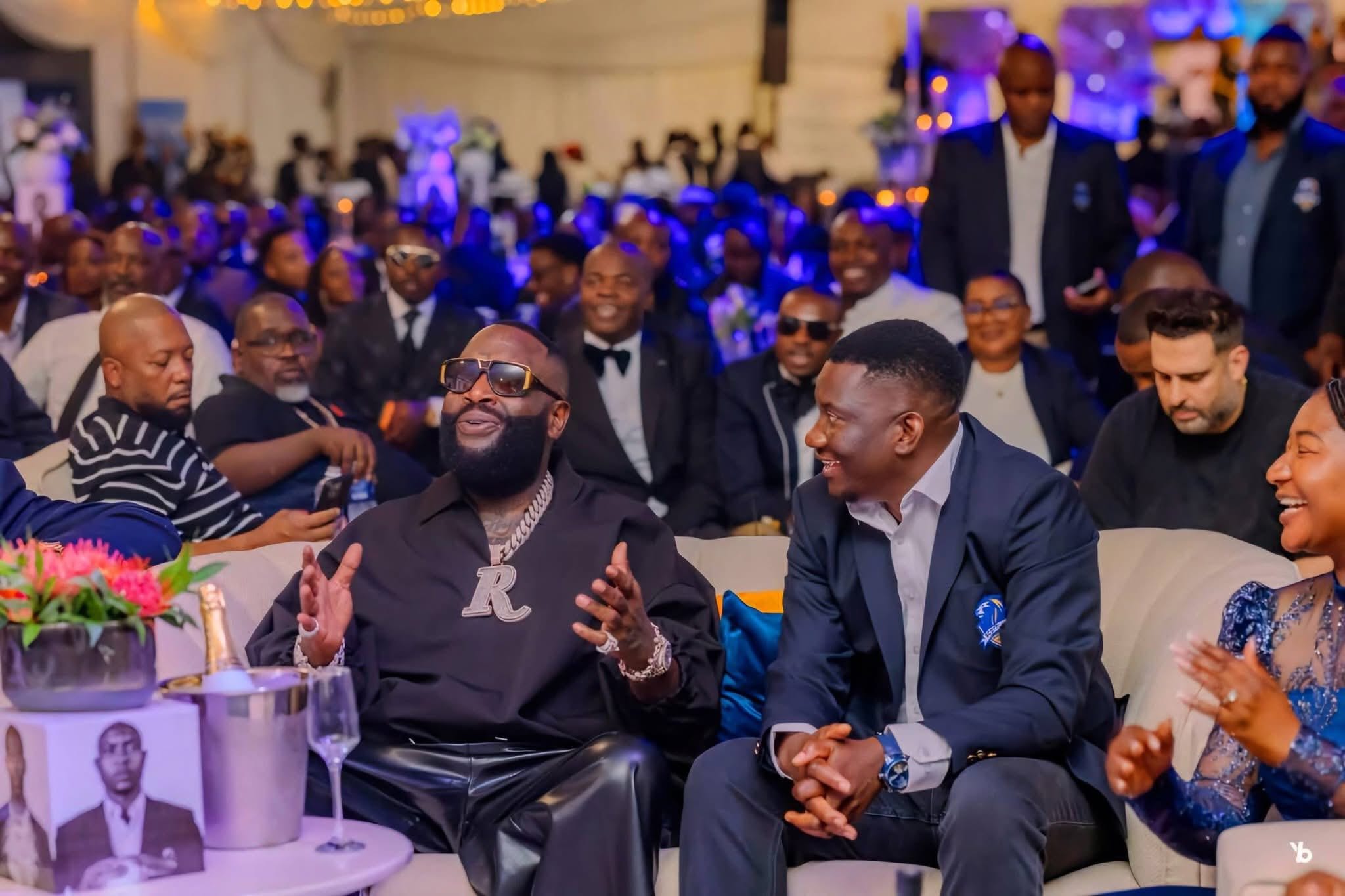
Scottland FC, crowned 2025 league champions, is currently the headline act of Zimbabwean football. Founder Pedzai Scott Sakupwanya built the club from scratch, but it was the over-the-top grandiose and publicly reported tsunami of cash from controversial businessman and alleged tenderpreneur Wicknell Chivayo that turbo-charged Scottland’s title charge.
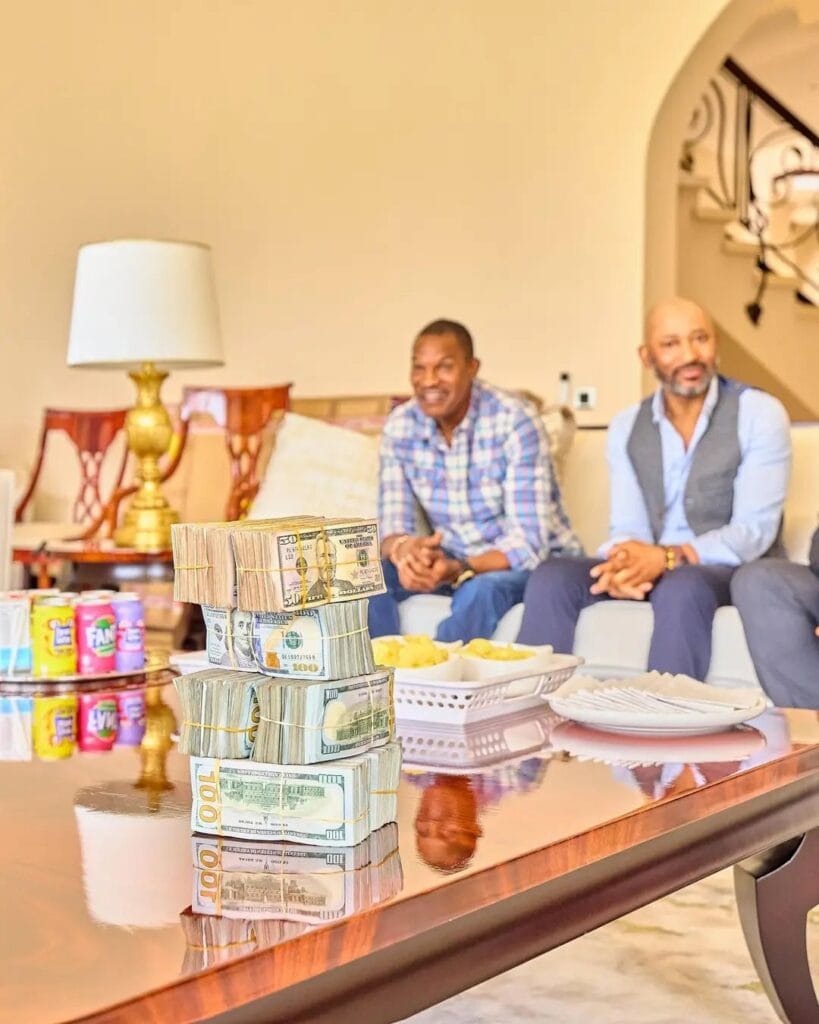
Simba Bhora fits the same broad script, though with a different face. The club is identified as privately controlled by Simba Buju Ndoro. MWOS is similarly tied to Patrick Tamson, while Herentals is linked to Innocent Benza, and Green Fuel FC to the ecosystem around Billy Rautenbach’s Green Fuel venture.
CAPS United stands out because it is one of the few clubs where a clearer ownership split has actually been reported, with Farai Jere said to hold 80 per cent and Nhamo Tutisani 20 per cent.
Zimbabwe’s football economy is also unusually tied to extractive industries. Ngezi Platinum Stars is linked to Zimplats. Bikita Minerals is tied to Sinomine through Bikita Minerals. FC Platinum operates through FC Platinum Holdings, with roots described as CSR-linked to Mimosa Mining Company.
State-linked football is also alive and well.
TelOne FC is backed by the state-owned telecoms company TelOne. ZPC Kariba sits inside the Zimbabwe Power Company chain. Manica Diamonds, through ZCDC, is another example of football tied to state or quasi-state corporate power. That creates a version of club football where public-sector structures, not just private investors, still shape the fate of teams.
Dynamos is perhaps the most politically charged ownership puzzle in the country. It is a disputed case, with competing claims involving Bernard Marriot Lusengo, a reported 51/49 split among private actors, and a parallel trusteeship model meant to restore the club to founding families.
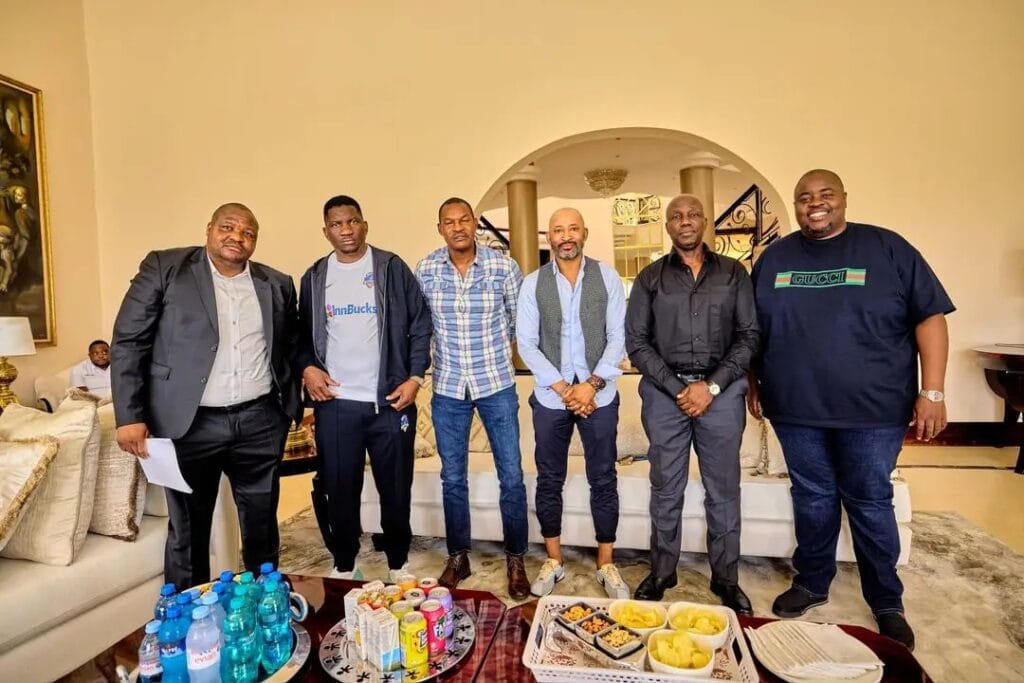
Then there is Yadah FC, founded and sponsored by controversial prophet Walter Magaya. The club was one of the PSL’s boldest vanity projects, a team wrapped in prophecy, personality and spectacle. By November 2025, the miracle had run out: Yadah went down on the final day, relegated after losing 1-0 to Simba Bhora. It was a brutal reminder that in football, charisma does not defend corners, and prophecy does not guarantee points.
Zimbabwe Premier Soccer League clubs and owners
The 2025 ZPSL is comprised of 18 clubs. Across those 18 clubs, publicly evidenced individual-controlled ownership accounts for about two-fifths of clubs, corporate/private backing just over a quarter, state-owned entities about one-sixth, with the remainder split between member/community control and disputed/unclear ownership.
| ZPSL CLUB (2026 official list) | OWNERSHIP TYPE | OWNER |
|---|---|---|
| Hardrock FC | Individual | Shepherd “Magodora” Chahwanda |
| CAPS United FC | Individual-controlled (private shareholder model) | Jere 80% / Tutisani 20% |
| Chicken Inn FC | Corporate-backed (private; sponsor-led) | Simbisa Brands |
| Dynamos FC | Contested + trusteeship bid | Bernard Marriot-Lusengo – 51% |
| FC Platinum | Corporate-owned (club holding company) | FC Platinum Holdings |
| Herentals FC | Individual-controlled (owner-operator) | Innocent Benza |
| Highlanders FC | Community-based club | Run by a board of directors and an executive committee |
| Agama | Community/Individual | Malvern Moyo |
| Manica Diamonds FC | Corporate/State-owned | Zimbabwe Consolidated Diamonds Company, which is 100% owned by Defold Mine Pvt Ltd. Defold is owned by the Mutapa Investment Fund, which in turn is owned by the Government of Zimbabwe |
| MWOS FC | Individual-controlled (betting-backed) | Patrick Tampson |
| Ngezi Platinum Stars FC | Corporate-owned (private; mining) | Zimplats (Zimbabwe Platinum Mines), which is a subsidiary of Implats |
| Scottland FC | Individual-controlled (politician/business) | Pedzai “Scott” Sakupwanya |
| Simba Bhora FC | Individual-controlled (owner-operator) | Simba “Buju” Ndoro |
| TelOne FC | State-owned enterprise backed | Ownership vehicle not published; treated as a privately held club under a named individual owner. |
| Triangle United FC | Corporate-backed (private; foreign parent) | Tongaat Hulett |
| Bulawayo Chiefs FC | Individual-controlled | Lovemore Sibanda |
| Hunters FC | Corporate | FC Hunters Marondera (Private) Limited: Pritchard Sibanda holds 50% | Cuthbert Chitima 40% | Andrew Gore 10% |
| ZPC Kariba FC | State-owned enterprise club | Owned and sponsored by the Zimbabwe Electricity Supply Authority |
Sources: ZPSL official records, corporate sustainability reports, Zimbabwe media, including The Herald and NewsDay. Ownership percentages and structures reflect best-available public documentation; formal equity registers were not published by most clubs.
Comparative patterns across Africa and globally
South Africa offers Patrice Motsepe’s Mamelodi Sundowns as the textbook example of wealthy-owner dominance. Tanzania gives a hybrid model through Simba SC, where Mohammed Dewji holds 49 per cent while members retain 51 per cent.
Nigeria shows the privately financed founder model through Remo Stars and Kunle Soname. Europe stretches from state-backed power at Paris Saint-Germain to Saudi-backed consortium ownership at Newcastle, and then swings to member control at Barcelona.
Zimbabwe, by contrast, sits in a rougher middle ground where patronage, sponsorship, political access and business muscle often matter more than formal transparency.
Representative examples by region
The table is intentionally representative, not exhaustive, and focuses on well-documented ownership types: wealthy individual, corporate, state/sovereign, consortium/private equity, and member/fan ownership.
| Region | Wealthy-individual-owned example | Corporate-owned example | State Owned | Member Owned |
|---|---|---|---|---|
| Zimbabwe | Scottland (Scott Sakupwanya) | Ngezi Platinum Stars (Zimplats) | Manica Diamonds | – |
| South Africa | Mamelodi Sundowns (Patrice Motsepe) | SuperSport United (SuperSport International) | – | – |
| Egypt | Pyramids FC (Salem Al Shamsi) | Egyptian SOE/corporate club patterns are explicitly discussed in political-economy research. | Ghazl El-Mahalla FC | Al Ahly SC |
| West Africa | Remo Stars F.C. (Kunle Soname) | Corporate sponsorship is common but under-documented as equity; Nigeria often features privately financed clubs tied to founders’ businesses. | Enyimba F.C is described as state-owned historically; official club history notes state government ownership. | |
| East Africa | Simba S.C. uses a hybrid: Mohammed Dewji 49% with members retaining 51% (per Tanzanian media). | Corporate-backed clubs exist widely through telecoms, banks, and sponsors; equity details vary. | State-linked clubs remain common in some leagues via military/police entities | |
| Central Africa | TP Mazembe is strongly associated with Moïse Katumbi (official club profile foregrounds his long leadership). | Elite clubs often operate as patronage-backed institutions with facilities investment; formal equity is seldom published. | State involvement can be political rather than formal shareholding | |
| Europe | Billionaire/consortium ownership is standard in the EPL; by contrast, Spain has major member-owned institutions. | Germany’s 50+1 system retains member voting control in most clubs, limiting external corporate capture; exceptions include long-term corporate backers. | Paris Saint-Germain F.C. is majority owned by Qatar Sports Investments (state-backed fund), with later minority investment cited in overviews. |
Interpreting the Zimbabwe pattern relative to peers
Zimbabwe looks structurally closer to many African leagues than to Europe’s most regulated markets: sponsorship and patronage frequently substitute for transparent equity structures, and mining/industrial capital is unusually central (platinum, lithium, ethanol, power, diamonds).
At the same time, Zimbabwe has a visible new-money club-building trend. Clubs like Hardrock, a 2026-era entrant, are framed in Zimbabwe media as privately funded projects and explicitly associated with an individual owner, mirroring patterns seen in parts of East and West Africa where wealthy patrons fund facilities and wage bills to accelerate football success.
Regulatory differences and impacts on finances and performance
European competitions increasingly enforce formal financial constraints. UEFA’s financial sustainability framework introduces a squad cost rule that caps spending on player/coach wages, transfers, and agents as a share of revenue, moving to a permanent 70% ceiling by 2025/26. This tends to reduce the advantage of pure cash injection unless it is matched by revenue growth that passes fair-value scrutiny.
Germany’s 50+1 rule is a different type of constraint. It structurally limits external control by requiring member-association voting dominance in most clubs’ football companies, with limited exceptions for very long-term backers (notably corporate exceptions such as Bayer Leverkusen and Wolfsburg, and historical individual exceptions). This reduces outright billionaire takeovers and pushes investment into partnership or minority forms.
North America’s MLS model is structurally unlike both Zimbabwe and Europe. It is organised as a single-entity LLC in which investor-operators hold stakes in the league rather than owning clubs in the conventional European sense. This dampens financial arms races but also centralises commercial decision-making.
In Zimbabwe, the most direct performance correlation visible in official league messaging is that a heavily individual-backed club (Scottland) won the 2025 league title. While causality cannot be proven from standings alone, Zimbabwe’s media explicitly frames large capital injections and infrastructure as competitive differentiators.
Once you trace the money, you start to see that Zimbabwean football is becoming a battleground for new capital. The mine club, the church-backed club, the political project, the corporate vehicle and the vanity project are all sharing the same fixture list.
Data gaps and disputed claims
A core limitation is that most Zimbabwe clubs do not publish audited ownership registers, shareholder lists, or beneficial ownership declarations. Therefore, many entries above rely on named owner references in reputable Zimbabwe media or on corporate sustainability/CSR disclosures.
Key disputed or incomplete areas:
- Dynamos’ ownership is structurally disputed, with reported private-company shareholding splits contested alongside a trusteeship initiative designed to vest ownership in founders’ families.
- For Chicken Inn, Triangle United, and some mining-linked clubs, sources often state sponsorship rather than formal equity ownership; sponsorship is treated here as effective control/funding but is flagged as not equivalent to a disclosed shareholding.
- For Highlanders, accessible retrieved sources did not contain a definitive primary statement of the legal ownership vehicle; it is therefore classified cautiously and should be validated against formal club governance documents and company registry records.
