

When most people hear the word nuclear, they think of weapons.
They think of Hiroshima and Nagasaki, the Cold War or the threat of global annihilation. Others remember the radioactive ruins of Chornobyl or the explosions at Fukushima.
Very few think of a woman receiving radiotherapy for cervical cancer. They do not imagine scientists locating underground water reserves, farmers growing drought-resistant crops or exporters protecting food from insects and bacteria.
This narrow understanding of nuclear technology is particularly damaging in Africa, where some of its most valuable peaceful applications remain desperately scarce.
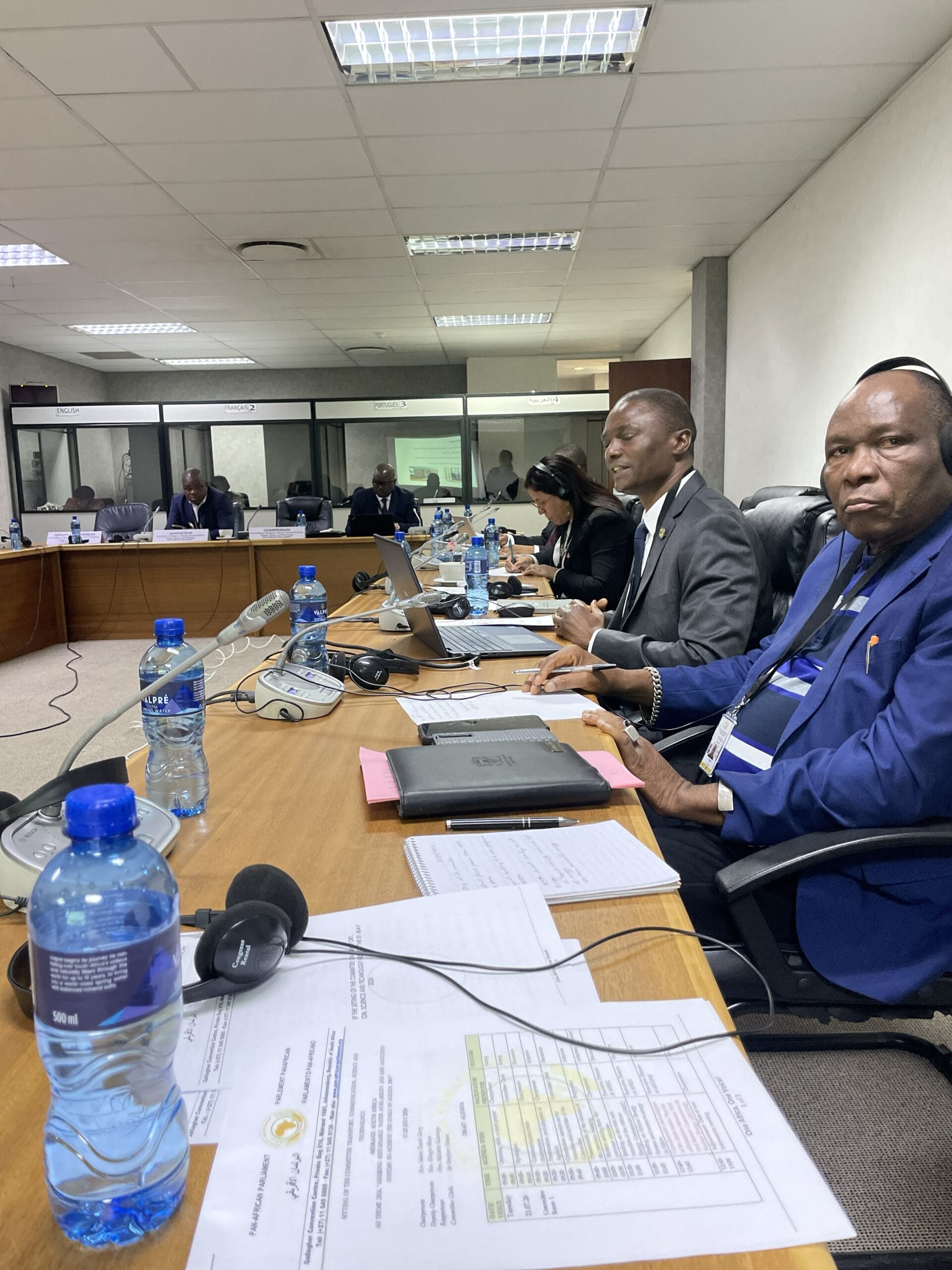
I was reminded of this during a presentation by Dr Collins Omondi, the Executive Secretary of the African Commission on Nuclear Energy, at a meeting of the Pan-African Parliament’s Committee on Transport, Communications, Science and Technology.
The discussion was about healthcare, agriculture, water, energy and the scientific capabilities that Africa will need as it tackles its development and industrialisation agenda.
One figure presented by Dr Omondi during the meeting was especially difficult to ignore.
More than 20 African countries have no radiotherapy machines, while more than 70 per cent of the continent’s population lacks adequate access to radiotherapy services.
Africa’s cancer burden is rising, but millions of patients cannot obtain the treatment they need because there are too few machines, too few specialised facilities and too few trained professionals.
This shortage is not just limited to oncologists. Modern cancer treatment requires medical physicists, radiation therapists, engineers, technicians and safety specialists. A radiotherapy machine is of little use when a country lacks the people required to operate, calibrate, repair and regulate it.
Uses of Nuclear Technology
Radioactive materials are already central to modern medicine. Doctors use nuclear techniques to identify tumours, examine the functioning of organs and deliver targeted treatment to cancerous cells while limiting damage to surrounding tissue.
Nuclear medicine is used to diagnose and manage heart disease, thyroid disorders, neurological conditions and several forms of cancer. In wealthier countries, many of these procedures have become routine. Across much of Africa, they remain unavailable or concentrated in a handful of cities.
The same imbalance appears in agriculture.
Nuclear science can help researchers develop crop varieties that are more resistant to drought, pests and disease. Through mutation breeding, seeds are exposed to carefully controlled radiation to accelerate the natural process through which useful characteristics emerge. The resulting crops are not genetically modified organisms, but new varieties selected through an established scientific breeding method.
Food irradiation can also eliminate insects, parasites and harmful bacteria without making the food radioactive. It can extend shelf life, reduce losses after harvest and help agricultural exporters comply with the phytosanitary requirements of international markets.
For a continent where farmers often lose a substantial share of their produce before it reaches consumers, such technologies should not be treated as scientific curiosities. Up to 50% of fresh tomatoes in Africa are lost before ever reaching consumers. Research, however, shows that irradiation, while maintaining postharvest quality, extends the shelf life of tomatoes by 5–10 days. Such technologies should be considered part of the infrastructure needed to improve food security and expand agricultural trade in Africa.
Nuclear science also has an important role to play beneath the ground.
Through isotopic hydrology, scientists can trace the movement and age of water. They can determine where groundwater originates, how quickly an aquifer is replenished and whether a water reserve is being used faster than nature can replace it.
This information can help governments make better decisions about boreholes, irrigation, urban development and the management of shared water resources.
As climate change makes rainfall less predictable and droughts more severe, understanding Africa’s underground water reserves may become as important as constructing new dams. Yet public discussion rarely associates nuclear technology with the search for clean and sustainable water.
Of course, the most contentious part of the nuclear debate concerns electricity.
South Africa remains the continent’s only country operating a commercial nuclear power station. Egypt is building the El Dabaa nuclear plant, while countries including Ghana and Kenya have been developing the institutions and long-term plans that would be required to introduce nuclear power.
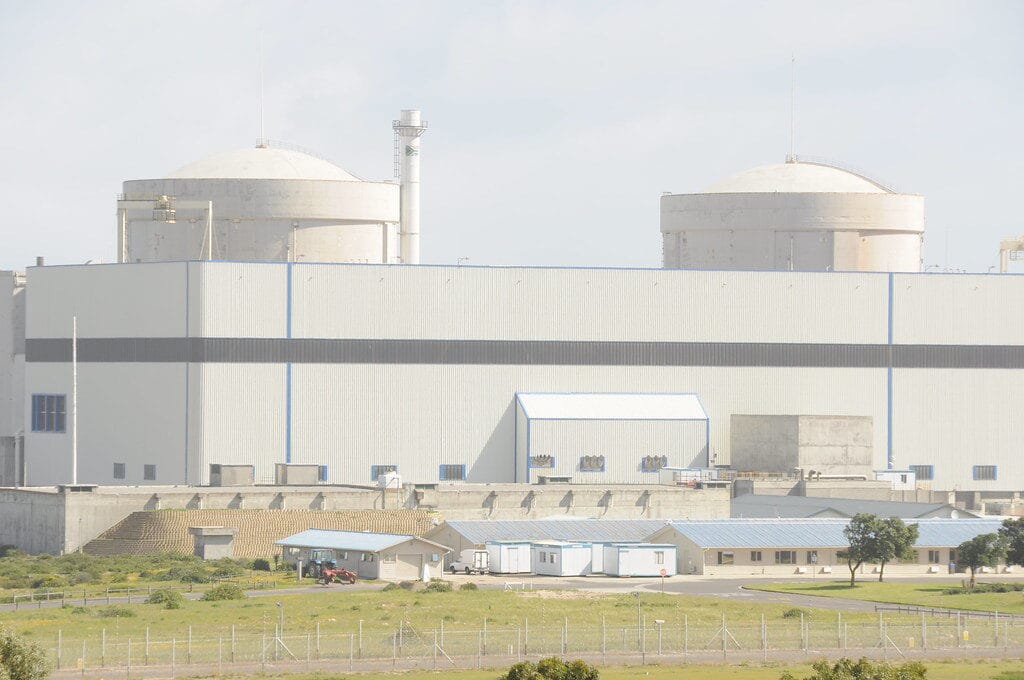
Nuclear plants are extraordinarily expensive to build. They demand strong regulation, specialised skills, long-term political commitment and credible arrangements for waste management and decommissioning.
But once operating, they can produce large amounts of reliable electricity for decades with relatively low operational carbon emissions. Unlike solar and wind power, nuclear generation is not dependent on sunlight, rainfall or wind conditions.
The continent’s most immediate nuclear shortage, however, is not uranium or reactors. It is people.
Nuclear programs depend on engineers, researchers, regulators, medical physicists, radiation safety officers and highly trained technicians. Many African specialists must still travel abroad for advanced training because relatively few universities on the continent offer the required programs.
This is expensive and contributes to brain drain. Some professionals do not return because laboratories, research funding, salaries and career opportunities are stronger outside Africa.
Without sustained investment in universities, research institutions and technical education, African countries will remain dependent on imported expertise. They may acquire sophisticated machines, but they will struggle to maintain them. They may announce ambitious nuclear programs, but lack the institutions needed to govern them safely.
The Resource Curse
The resource curse refers to a situation where a country has an export-driven natural resources sector that generates large revenues for the government but leads paradoxically to economic stagnation and political instability.
This curse was brought to the spotlight during the parliamentary discussion by the Committee’s chairperson, Sakata Tawab Garry, who raised Niger, a major producer of uranium, as an example of Niger.
For decades, uranium has left the country for France, where it is used primarily for generating electricity, while large parts of the Nigerien population continues to live without reliable electricity.
The contradiction extends far beyond Niger. Africa exports many of the raw materials required by advanced industries, while other regions develop the technologies, manufacture the equipment, build the companies and capture most of the value.
African resources like Uranium will mean nothing if we cannot build the research, industrial and regulatory capacity needed to participate meaningfully in the peaceful nuclear economy.
The African Commission on Nuclear Energy
The African Commission on Nuclear Energy was established under the Treaty of Pelindaba, which created an African nuclear-weapon-free zone. Its mandate brings together two responsibilities that are too often treated as opposites: preventing the spread of nuclear weapons while promoting the safe and peaceful use of nuclear science.
The commission works with African governments and institutions such as the International Atomic Energy Agency to strengthen regulation, improve technical capacity and expand civilian nuclear applications.
Unfortunately, this work receives far less public attention than the language of bombs, proliferation and geopolitical conflict.
Public understanding influences public policy; hence it is important to address the imbalances in perceptions on nuclear. When nuclear technology is discussed only as a threat, governments face less pressure to invest in radiotherapy, agricultural research, groundwater science and specialist training.
Peaceful nuclear technology can become an important part of the continent’s response to rising cancer rates, food insecurity, water stress and growing demand for reliable energy.
