

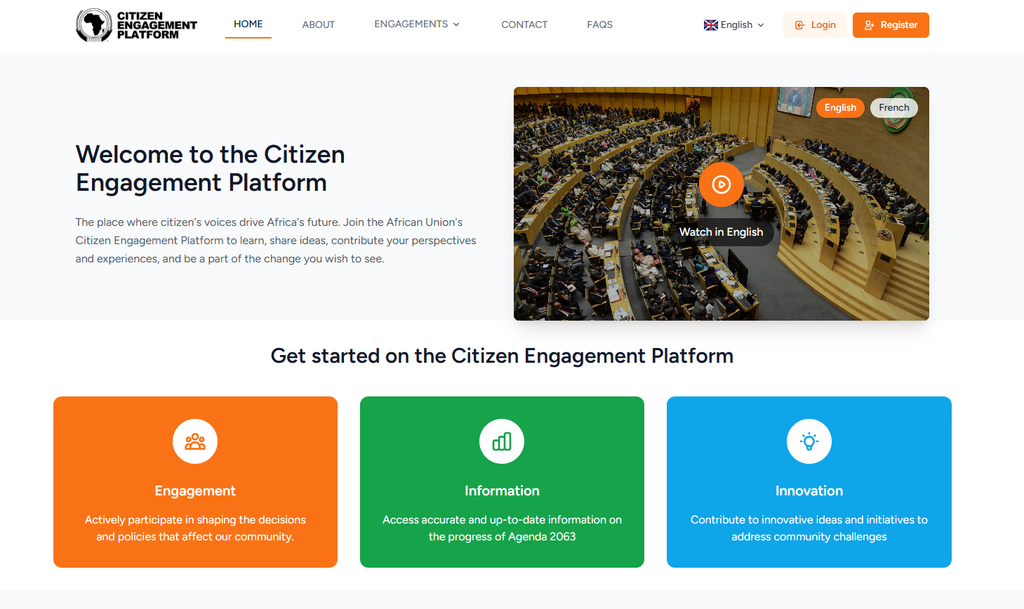
The African Union’s Citizen Engagement Platform aims to bring the institution closer to the people it serves. It offers a space for African citizens to share experiences, exchange knowledge and contribute to policy discussions.
The digital platform seeks to support collective advocacy and give communities a greater role in shaping the continent’s future. Its purpose goes beyond providing information. It also creates opportunities for citizens to engage with policymakers and contribute ideas.
Who can use the platform
The platform is intended for African citizens, including those in grassroots communities. Visitors can explore information and engagement opportunities at citizenengagement.nepad.org. Technical expertise is not required, although internet access and basic digital skills remain important.
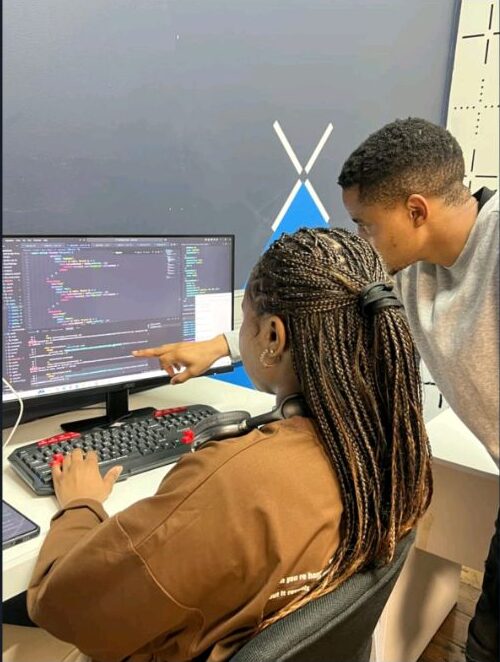
Thulani Bango, a young artificial intelligence developer, spoke about its potential in an interview during Africa Code Week 2026. He described it as a way to connect people from different backgrounds with opportunities and discussions about Africa’s future.

“I am part of a network of developers,” Bango said. “I am sure many of them do not know about this platform.”
He said the platform could help users understand the AU’s work and partnerships, while providing resources to challenge misinformation about the continent. He compared its information resources to a digital library.
Bango said he spent more than three hours exploring the platform as a user rather than a developer. He described the experience as valuable for his own learning.
As a podcaster involved in climate communication, he is also interested in practical ways to identify misleading narratives. He said he hoped to use discussions on the platform to understand citizens’ views and strengthen his response to climate misinformation.
A space for citizens’ perspectives
Seani Rananga, a lecturer at the University of Pretoria, also saw value in the platform. She spoke on the sidelines of a youth dialogue on digital rights and information integrity.
Rananga said she had not previously known about the platform. She described its engagement features as useful for identifying emerging narratives on different issues. She also identified herself as a fellow at the African Institute of Data Science and Artificial Intelligence. She is a senior member of Data Science for Social Impact.

Their comments point to both the platform’s potential and the need to raise awareness of it. Digital tools can expand access to information and make participation easier. But users also need the skills to assess what they read and distinguish reliable information from misleading content.
Artificial intelligence adds to that challenge. It can improve access to information, but it can also be used to produce deceptive images, videos and text. Citizens need reliable sources and opportunities to compare experiences and exchange knowledge.
Access remains a concern. Citizens interviewed about the platform called for it to be zero-rated, allowing people to use it without incurring mobile data charges. That could help more people take part in the discussions the platform is designed to support.
