

Stories have, from time immemorial, been an integral part of African life. They are woven into the fabric of society, carrying our history, our pains and our ambitions from one generation to the next.
Under the bright full moon, jenaguru, families would gather around a fire, hungry flames reaching into the night. An avid storyteller would take children and adults alike on enchanted journeys into the past, into the world of Musikavanhu, the Creator, or through fantastical encounters with the ancestors, vadzimu. Sometimes, the story wandered into the witcheries of young love.
Around those fires, a child could learn where they came from long before they could read it in a book.
But the journey from the fireside to the cinema has been uneven.
We became familiar with the American hero, the Chinese kung fu master and, more recently, the romances of Korean television. Foreign and exotic stories travelled into our homes, while many of our own struggled to travel beyond them.
This is not to say African filmmakers were not putting in effort. In Senegal, Ousmane Sembène made “Borom Sarret” in 1963 and “Black Girl” in 1966. Nigeria’s Nollywood would build an industry whose films reached audiences across Africa and beyond. Yet making a film and securing an audience for it remained different struggles.
Chinua Achebe captured the danger of leaving the telling to others when he recalled a proverb in a 1994 interview: “Until the lions have their own historians, the history of the hunt will always glorify the hunter.”
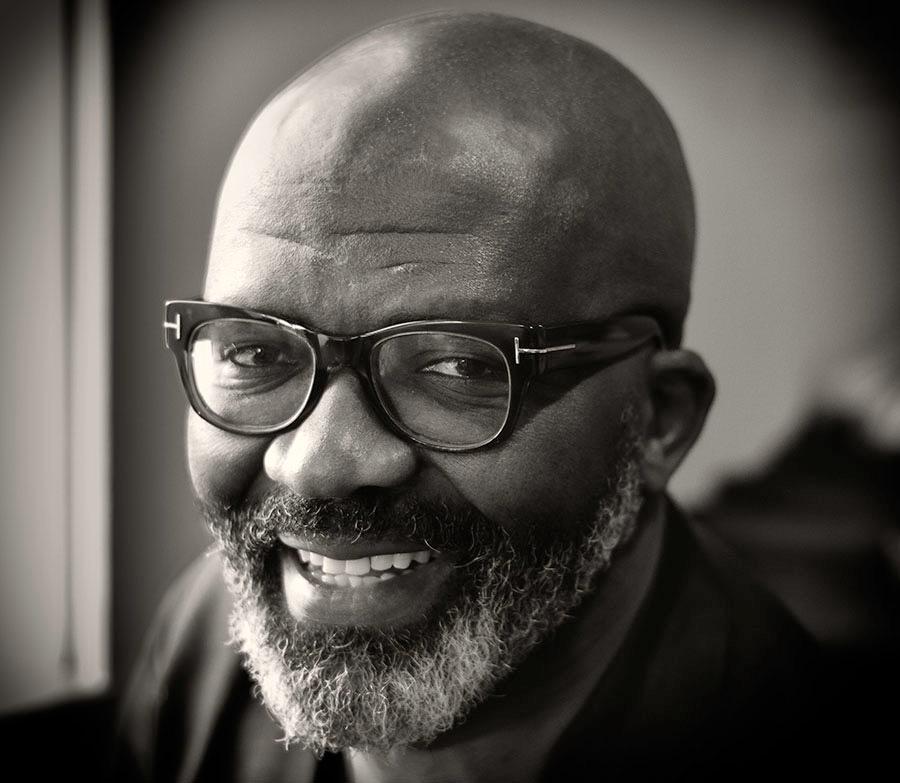
For Keith Shiri, the Zimbabwean curator of Film Africa, that question begins with listening.
“African filmmakers don’t need outsiders to explain Africa for them; they need platforms, resources, audiences and opportunities,” he said.
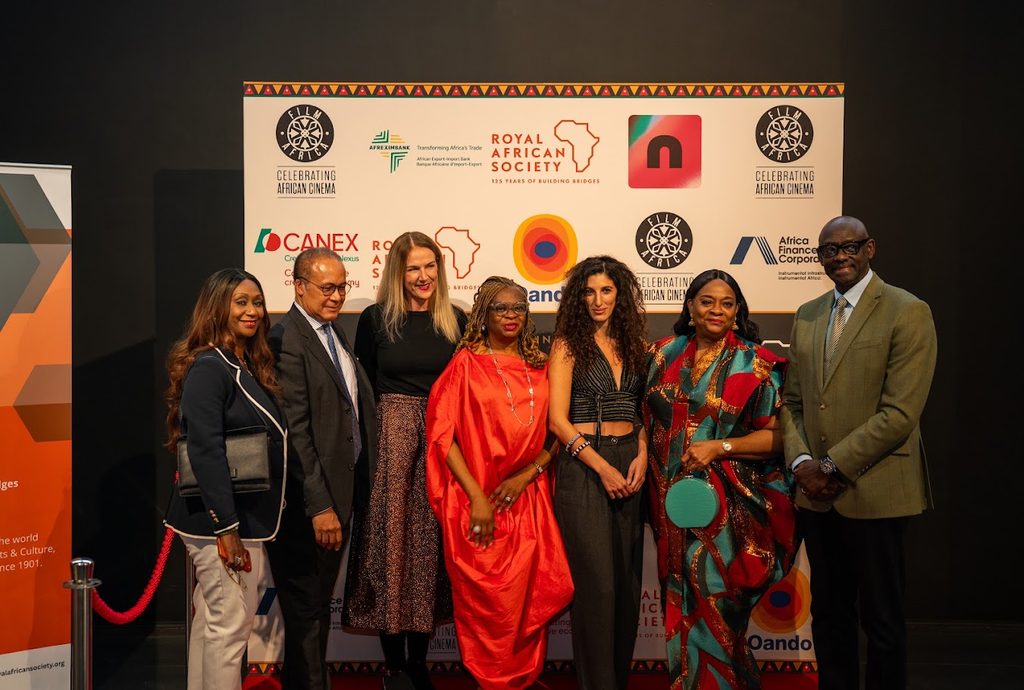
That conviction runs through Film Africa 2026, which opened on 23 October and continues until 1 November. Presented by the Royal African Society in its 125th anniversary year, the festival is bringing African and diaspora films to BFI Southbank and other venues, with a particular focus on women filmmakers. Its wider programme extends beyond London to Bristol and Plymouth.
Shiri grew up surrounded by Zimbabwe’s storytelling traditions. Cinema opened another window.
“Growing up in Zimbabwe, I was surrounded by a strong culture of storytelling. Cinema became a way of understanding the world beyond my immediate surroundings.”
When he began programming African films internationally in the 1980s, he said he was struck by how little of that cinema was being seen or understood.
“I wanted to help change that, to ensure African filmmakers were recognised as part of world cinema, rather than treated as a marginal category.”
Fifteen years ago, Film Africa’s inaugural co-directors, Lindiwe Dovey and Namvula Rennie, brought a programme of more than 50 films to London. Organised by the Royal African Society in association with SOAS, the 2011 festival included fiction, documentaries, experimental work and shorts. It also included a distribution forum and an award to help a short-film director finance the next production.
The ambition was to give those stories a life beyond the festival.
This year’s opening film, Marie-Clémentine Dusabejambo’s “Ben’Imana,” carries audiences into Rwanda and the difficult intimacy of reconciliation. Vénéranda, a genocide survivor, helps victims and perpetrators’ families rebuild their lives. Then her daughter’s unexpected pregnancy tests the convictions she has asked others to embrace.
The opening at BFI Southbank was attended by the film’s producer, Samantha Biffot, and Rwanda’s high commissioner to the United Kingdom, Johnston Busingye, who spoke about his country’s journey towards reconciliation and renewal.
The opening weekend also included “Cotton Queen,” “Behind the Palm Trees” and the Twende symposium on African women and cinema.
For Shiri, the programme makes space for lives that cannot be contained within a familiar image of a continent in crisis.
“We have to move beyond the idea that African cinema is only about poverty, conflict or crisis,” he said. “African filmmakers are telling stories about love, family, history, politics, humour, cities and everyday life.”
Stella Okuzu, the Royal African Society’s chief executive, sees cinema reaching into places that news coverage often passes over.

“Cinema allows people to encounter African lives in their complexity: the ambition, humour, struggle, imagination, and everyday experiences that headlines often miss,” she said in a written interview. “It also brings filmmakers and audiences into direct conversation.”
The organisation behind the festival began in a very different Britain. Founded in 1901 in memory of the travel writer and ethnographer Mary Kingsley, the Society initially drew members from colonial administration, commerce, missionary work and academia. Its early history included paternalistic and racist attitudes as well as challenges to them. It adopted “Royal” in its name in 1935, when the king became its patron.
Today, Okuzu said, African entrepreneurs, policymakers, scholars and creatives help shape its programmes and partnerships. Film Africa is central to that work.
“In this anniversary year, we honour the Society’s longevity through work that remains relevant: strengthening relationships, challenging assumptions, and creating space for Africans and the British alike to benefit from listening to compelling African stories, in their most authentic form.”
Women have been part of Film Africa’s story from its beginning. The inaugural programme included strands on African women filmmakers and everyday heroines, with work by Sarah Maldoror and Salem Mekuria.
The 24 October Twende symposium returned to that history while examining authorship, production and the future of women’s filmmaking. Shiri wants the conversation to reach the people who decide which films receive money and which find audiences.
“Recognition is not enough. Women filmmakers need access to finance, ownership of their work and a greater role in the business decisions around their films.”
He wants more women working as producers, distributors, cinematographers, executives and programmers, with opportunities that last beyond a celebrated debut.
“Most importantly, we need an ecosystem that allows a filmmaker to make her second, third and fourth film,” he said, “not just her first.”
The closing film, Olive Nwosu’s “Lady,” follows a female cab driver through Lagos and into the lives of a group of sex workers. Scheduled for 1 November at BFI Southbank, it brings the festival to a close with a story of women making their way through the city, finding companionship and claiming room for themselves.
Zimbabwe has a place in the programme, too. Naishe Nyamubaya’s “God Sleeps on Sundays,” an 18-minute film in Shona with English subtitles, was on the 26 October bill at SOAS. A preacher sent to build a church encounters a traditional healer whose ancestral authority stands in his way. Faith, land and inherited beliefs meet in a story told in a Zimbabwean language.
Shiri points to that inclusion when speaking about his connection to the industry at home.
“I have always seen my international work as connected to the development of African cinema at home,” he said.
Through programming, mentoring and training, he has sought to connect filmmakers with international audiences and funding opportunities. Zimbabwe’s talent, he said, needs stronger infrastructure, financing, professional development and distribution. He would like more young filmmakers to move between local and international networks.
Those connections also bring a business question into the story. Once an audience has watched a film, how does its creator earn enough to make another?
The festival’s 28 October programme at EbonyLife Place London included “Owning Africa’s Stories,” a symposium devoted to intellectual property, sustainable finance and digital technology. It was designed to examine how filmmakers can own, protect and earn from the work they create.
“London gives us access to institutions, investors, and cultural networks,” Okuzu said. “Our task is to make those relationships useful to the people whose creativity makes the festival possible.”
In its 2021 assessment, UNESCO estimated that Africa’s film and audiovisual industries employed about five million people and contributed $5 billion to the continent’s gross domestic product. With further development, it estimated the sector’s potential at more than 20 million jobs and a $20 billion GDP contribution.
For Shiri, opportunities lie throughout the work that carries a story from an idea to an audience: development, production, post-production, sales, marketing, distribution, exhibition and preservation.
“We have talented filmmakers, but not enough businesses and professionals dedicated to selling and circulating their films,” he said.
He sees room for businesses in subtitling, film marketing, archives, technical services and training. A film needs people who can help it cross languages and borders, reach a cinema or a broadcaster, and remain available after its first release.
Okuzu wants the festival’s relationships to continue after the screenings. She looks to distribution discussions, commissions, collaborations and opportunities that support further work on the continent.
“A London-based festival has a responsibility to turn visibility into opportunity,” she said. “Filmmakers should gain meaningful connections, recognition and pathways to audiences, distribution, and finance. Their intellectual property must also be respected.”
The closing days will also look back at the people who helped make African cinema visible. On 31 October, Ciné Lumière is scheduled to present Férid Boughedir’s “Caméra d’Afrique” and “Caméra Arabe,” with the Tunisian filmmaker participating in introductions and discussion. His documentaries trace the histories of African and Arab filmmaking, preserving the work and struggles of earlier generations.
For the next generation, Shiri’s advice begins close to home.
“First, start with the story you have. Don’t wait for perfect conditions. Develop the script, make a short or create a proof of concept.”
Then build relationships, he said, and understand the business of the film, including rights, contracts, ownership and distribution.
Okuzu offers a related lesson from her experience in banking, governance and nonprofit leadership: know whom the work serves, understand what it costs and protect its purpose when seeking support.
“Choose partners who respect that purpose and develop several sources of income so that one funder does not determine your direction.”
The storyteller beside the fire knew the faces gathered around him. The filmmaker may never meet the person watching thousands of miles away. But a story can still carry the memory of a place, the pain of a family or the ambitions of a child into another person’s world.
For Shiri, the work is to make sure it reaches them.
“The biggest lesson from my own career is that getting the film made is only half the job,” he said. “You have to think about how it will find its audience, how it will generate value and how you can build a sustainable career from it.”