

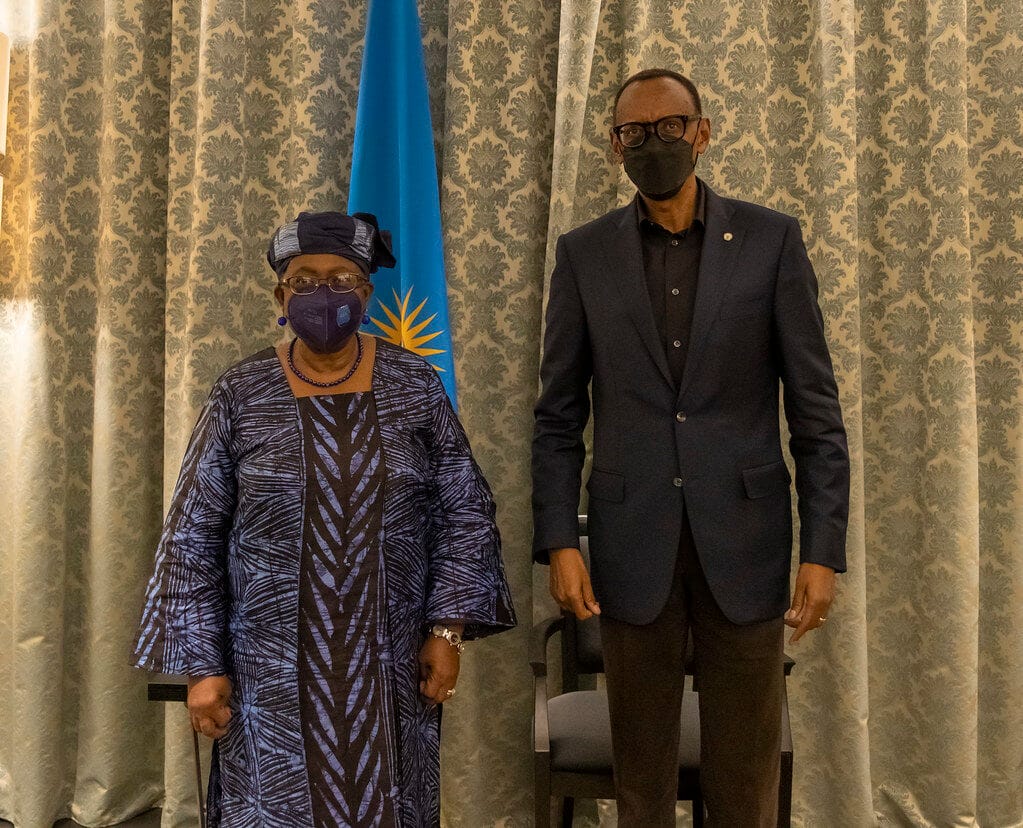
For too long, Africa has been discussed as a place shaped by global decisions made elsewhere. That story is no longer enough.
Across health, trade, labour, diplomacy, finance and sustainability, Africans are not only participating in the global system. They are helping run it. They are chairing the rooms, setting agendas, steering institutions and shaping the debates that affect billions of lives.
When Africans lead major international bodies, it signals competence, credibility and the continent’s growing weight in global governance. It also changes what young Africans can imagine for themselves. Leadership at this level is no longer abstract. It is visible, real and already happening.
As of 1 April 2026, here are nine Africans leading major global institutions.
Dr Tedros Adhanom Ghebreyesus: Director-General, World Health Organisation
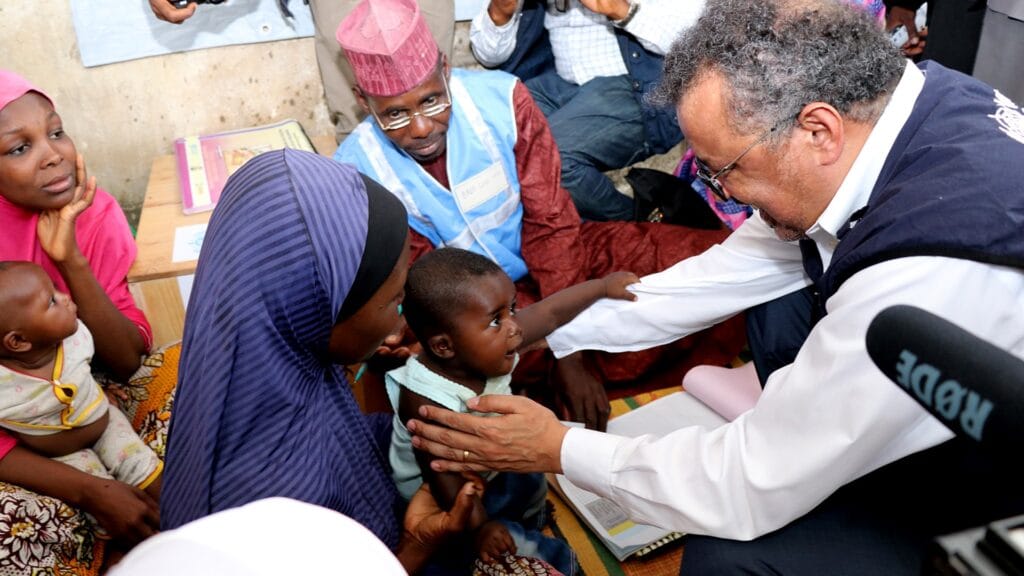
The Ethiopian public health leader remains one of the most recognisable African faces in multilateral leadership. Dr Tedros was first elected in 2017 and re-elected in 2022, becoming the first person from the WHO African Region to lead the agency. In practical terms, that places an African at the centre of the world’s leading public health body at a time when health security, pandemics, vaccines and health financing remain global priorities.
Tedros’s presence at the top of the WHO is particularly significant because global health is one of the clearest examples of where Africa has often been treated as a recipient rather than a strategic voice. Although his tenure does not erase those inequalities, it does mark a shift in who gets to speak for global health at the highest level.
Dr Ngozi Okonjo-Iweala: Director-General, World Trade Organisation
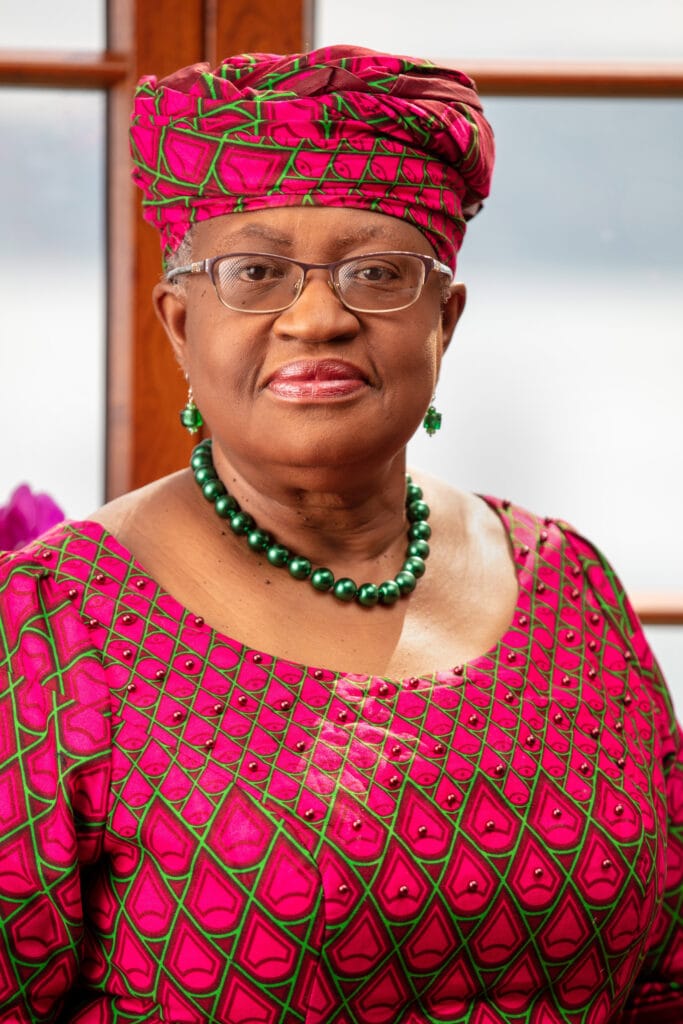
Nigeria’s Ngozi Okonjo-Iweala remains one of the most consequential African figures in the global economic order. She is the seventh Director-General of the World Trade Organisation, the first woman to hold the role and the first African. Her first term of office was from 1 March 2021 to 31 August 2025. Following her reappointment as Director-General on 29 November 2024, Dr Okonjo-Iweala began her second four-year term on 1 September 2025.
The WTO sits at the heart of global trade rules, disputes and negotiations. At a time when supply chains, tariffs, industrial policy and economic fragmentation are reshaping the world economy, an African woman is leading the institution at the centre of that turbulence. For a continent pushing harder for industrialisation, fairer trade and value addition, that is no small signal.
Gilbert F. Houngbo: Director-General, International Labour Organisation
Togo’s Gilbert Houngbo leads the ILO, the UN agency focused on work, wages, labour standards and social justice. He was elected in 2022, took office in October 2022, and became the first African to hold the post.
For Africa, this was a timely appointment. The continent is young, fast-growing and under constant pressure to create jobs at scale. Leadership at the ILO gives Africa visibility in one of the biggest questions of this century: how economies create decent work in an age of automation, informality and inequality.
Winnie Byanyima: Executive Director, UNAIDS
Uganda’s Winnie Byanyima is the Executive Director of UNAIDS and also serves as a United Nations Under-Secretary-General. She currently leads the UN’s effort to end the AIDS pandemic by 2030, after being appointed in 2019.
Her role sits at the intersection of health, justice, inequality and development. UNAIDS is more than a disease-focused body. It operates in the harder terrain where policy, stigma, funding and human rights meet. Byanyima’s leadership keeps an African voice at the centre of a global issue that has profoundly shaped African societies for decades.
Makhtar Diop: Managing Director, International Finance Corporation
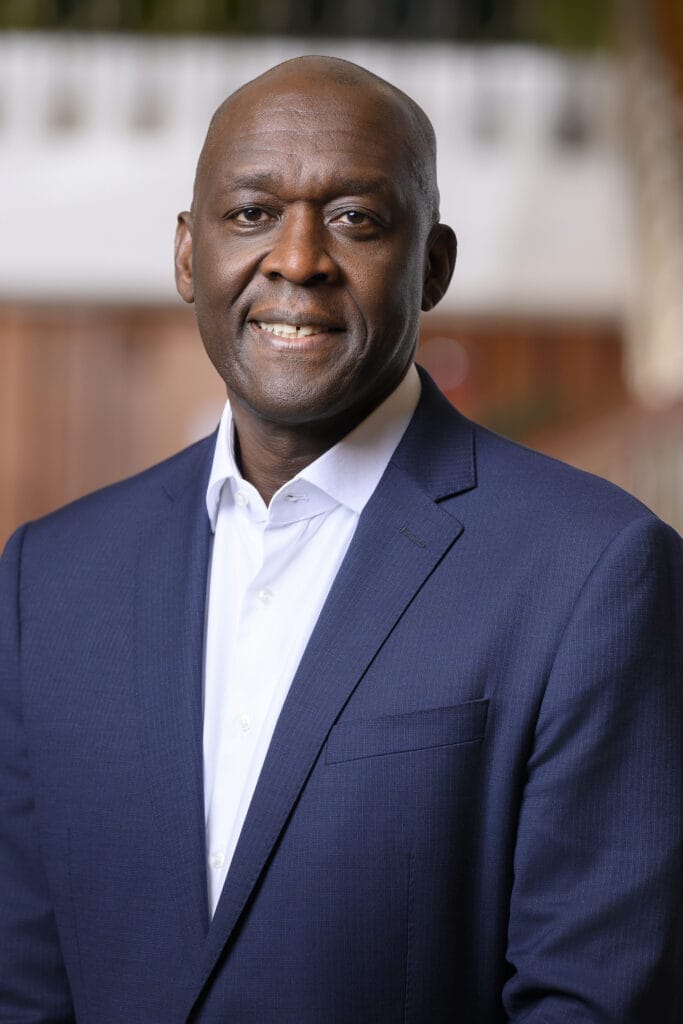
Senegal’s Makhtar Diop leads the International Finance Corporation, the World Bank Group institution focused on private sector development. He has served as Managing Director since 1 March 2021. The IFC is the largest development institution focused on the private sector in emerging markets and developing economies.
Development is not financed by governments alone. Private capital, infrastructure finance, SMEs, manufacturing and energy investments all shape whether countries grow. Diop’s position places an African at the head of one of the most important global vehicles for mobilising capital into developing economies.
Shirley Botchwey: Secretary-General, Commonwealth

Ghana’s Shirley Botchwey became Secretary-General of the Commonwealth on 1 April 2025. She is the seventh Secretary-General and the first woman from Africa to hold the office. She is the second African overall to lead the association of 56 countries, Emeka Anyaoku (1 July 1990 – 31 March 2000) from Nigeria, being the first.
The Commonwealth remains an influential diplomatic and development network spanning multiple continents. Botchwey’s rise places an African leader at the centre of a body that still matters in conversations around governance, education, trade, youth and climate diplomacy.
Louise Mushikiwabo: Secretary-General, International Organisation of the Francophonie

By Foreign and Commonwealth Office – https://www.flickr.com/photos/foreignoffice/8744869938/in/photostream/, OGL v1.0, Link
Rwanda’s Louise Mushikiwabo is the Secretary-General of La Francophonie. She was first elected in October 2018, took office in January 2019 and was re-elected for a second term in November 2022.
This role is often underrated in English-language coverage, but it should not be. The Francophonie is a serious diplomatic and cultural bloc with influence across Africa, Europe, the Caribbean and beyond. Mushikiwabo’s leadership reflects the strategic importance of language, diplomacy and political networks in global affairs.
Kirsty Coventry: President, International Olympic Committee
Zimbabwe’s Kirsty Coventry now leads one of the most visible and influential global institutions in sport. She was elected as its 10th President in March 2025. Mrs Coventry is the first woman and the first African to lead the organisation.
Global influence is not exercised only through health, trade and finance. It is also exercised through institutions that shape culture, diplomacy, identity and international prestige. The Olympic Movement does exactly that. Kirsty Coventry shows that African leadership is not only in formal multilateral governance, but also at the summit of one of the world’s most globally recognised sporting institutions.
Sanda Ojiambo: Assistant Secretary-General, UN Global Compact

Assistant Secretary-General of the United Nations Global Compact, at a dynamic conversation on Reinforcing Whole-Of-Economy and Whole-Of-Society Collaboration for Development Outcomes at the UN Country Team Retreat in South Africa. Source: LinkedIn
Kenya’s Sanda Ojiambo has led the UN Global Compact as CEO and Executive Director since 2020 and has served as Assistant Secretary-General since 2022, according to the organisation. In her role as Assistant Secretary-General, Ms Ojiambo is responsible for leading the world’s largest corporate sustainability initiative, building the strategic partnerships needed to drive impact and advocacy at local and global levels.
As a special initiative of the United Nations Secretary-General, the UN Global Compact is a call to companies worldwide to align their operations and strategies with the Ten Principles in the areas of human rights, labour, environment and anti-corruption.
Sustainability shapes how companies access capital, how supply chains are governed, how ESG standards evolve and how global business defines responsible growth. Ojiambo’s leadership places an African executive at the centre of a major platform connecting the UN system and the private sector.
